









 Home
Home
 Share
Share


Turning the key or pressing the start button only to hear a clicking sound---or absolute silence---is one of the most frustrating experiences for any driver. As the heart of your vehicle's starting system, the starter motor is responsible for converting electrical energy from the battery into mechanical energy, driving the flywheel to bring the engine to life.
When a starter motor degrades or fails, your vehicle is left completely stranded. This article covers the common signs of a failing starter motor, how it works, and key technical specs to look for when choosing a reliable replacement.
5 Common Signs of a Bad Starter Motor
Before a starter fails completely, it usually exhibits clear warning signs:
How a Starter Motor Works & Its Core Components
A starter motor is an integrated electromechanical system. When the ignition switch is engaged, the component operates through three primary mechanisms:
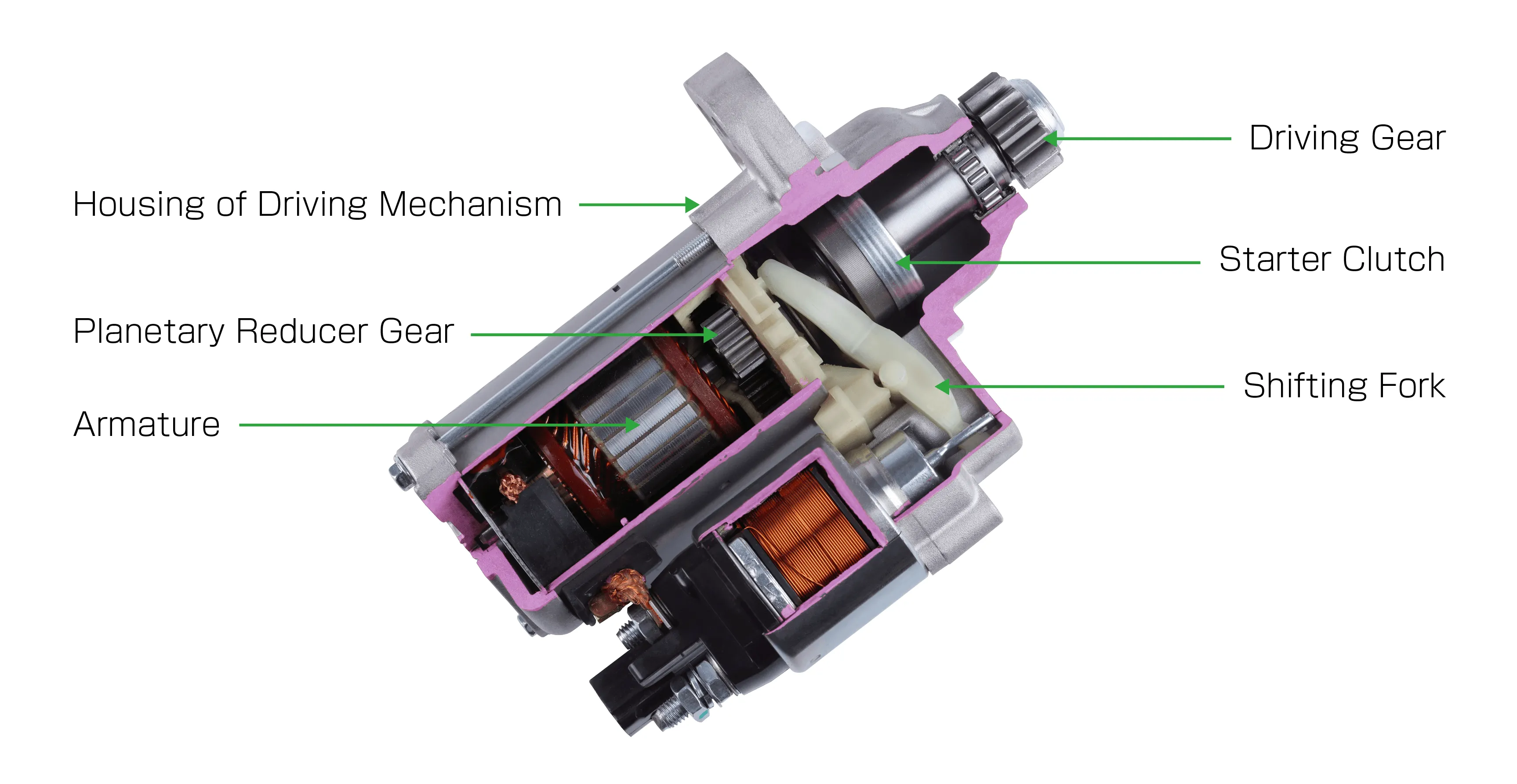
- DC Series Motor: Provides exceptionally high torque at low rotational speeds by generating a powerful magnetic field between the rotor and stator coils.
- Electromagnetic Switch (Solenoid): Controls the high-current circuit and pushes the drive pinion gear forward.
- Drive Mechanism: Engages the drive pinion with the flywheel ring gear to crank the engine, then automatically disengages once the engine runs on its own power to prevent overspeed damage.
Inside the unit, materials used for the carbon brush holder, commutator, rotor, and stator coils directly dictate the lifespan and efficiency of the starter.
How to Choose an OE-Quality Starter Replacement
When purchasing an aftermarket replacement, price should never be the sole deciding factor. A true OE-quality starter motor must meet rigorous standards regarding raw materials, construction, and environmental resilience:
- Extreme Cold Resilience: Inferior starters suffer severe performance drops in freezing conditions. A premium starter should maintain a performance degradation rate of less than 5% in extreme cold weather, ensuring instant starts year-round.
- High Torque & Planetary Reduction Gear: Utilizing a 6-pole magnetic tile setup paired with a planetary reducer (with reduction ratios up to 6.857) delivers max torque output in a compact footprint.
- Conductive Materials & Durable Brushes: Commutators made of silver-copper alloys combined with copper-containing graphite brushes ensure low resistance for high-current loads while offering excellent wear resistance.
- Corrosion Resistance & Compliance: Case covers electroplated with a zinc-nickel alloy provide superior salt spray resistance against road debris and moisture, while meeting EU RoHS environmental standards.
- 100% Factory Inspection & Low Noise: Every unit should undergo 100% factory testing before dispatch, operating at lower decibel levels than standard components for extended service life.
Essential Maintenance Tips to Extend Starter Life
Summary & Vehicle Fitment Search
Recognizing early failure symptoms and upgrading to a heavy-duty, corrosion-resistant starter motor ensures reliable vehicle ignition under all driving conditions.
Use our fitment search tool above by entering your vehicle's Year, Make, and Model or OEM Part Number to find your direct-fit replacement.
 Previous Article