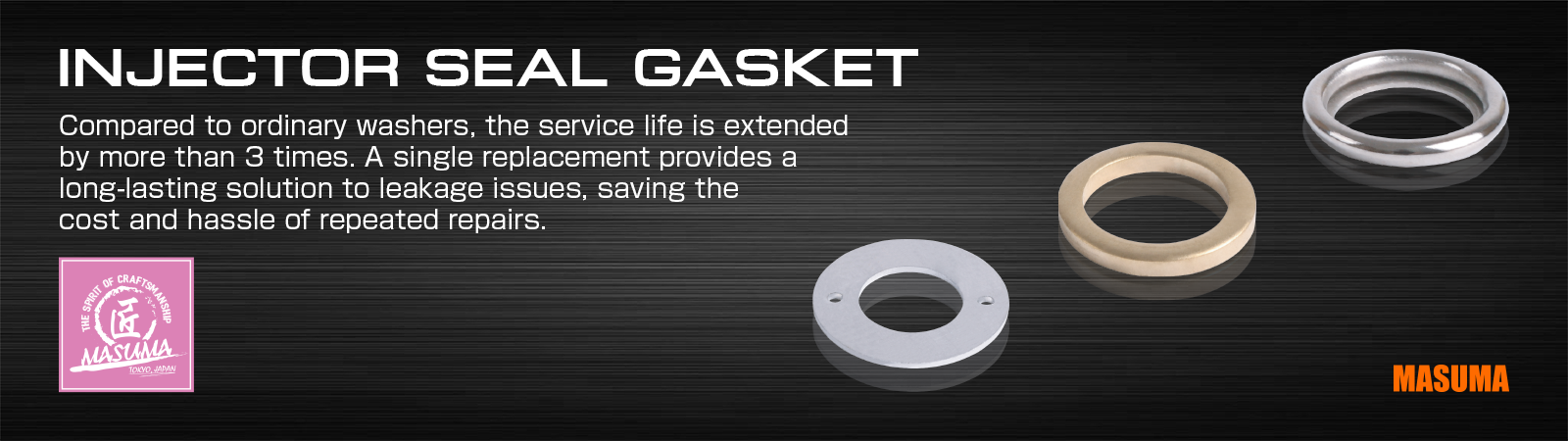
INJECTOR WASHERS

■ As the matching sealing element for the fuel injector, the injector washer is installed at the joint between the injector and the cylinder head. Manufactured from high-quality materials resistant to extreme temperatures and fuel corrosion, it reliably seals the mating gap. It effectively prevents fuel leakage, blocks the intrusion of oil and contaminants, cushions mechanical vibration, and protects related components. Since it is prone to aging and failure under prolonged harsh operating conditions, a compromised seal can trigger problems such as fuel leaks, unstable power, and increased fuel consumption. Replacing the washer whenever the injector is removed is a critical best practice for maintaining optimal engine condition.


Core Product Functions
■ High-Pressure Fuel Sealing to Eliminate Leaks and Waste
Seals the gap between the injector, fuel rail, and cylinder head, withstands high-pressure shocks in the fuel system, prevents gasoline/diesel leakage, avoids fuel evaporation and seepage that lead to soaring fuel consumption and safety hazards, while ensuring stable fuel injection pressure.
■ Blocks High-Temperature Combustion Gas to Maintain Cylinder Pressure
Isolates high-temperature, high-pressure exhaust gas inside the combustion chamber, preventing combustion gases from escaping into the fuel system or to the outside of the engine. This ensures proper cylinder compression and avoids issues such as power loss, rough idle, and hard starting.
■ Cushions Vibrations to Protect Precision Components
Absorbs vibration and shock generated during engine operation, preventing wear and deformation caused by hard contact between the injector and cylinder head. This extends the service life of both components and reduces abnormal noise.
■ Blocks Impurities to Protect the Fuel System
Blocks external impurities such as dust, carbon deposits, and coolant from entering the injector interior and combustion chamber, keeps the fuel injection path clean, and reduces the risk of injector clogging and engine carbon buildup.
Product Strengths
■ Robust Material: Features a thickened metal substrate with a temperature resistance ranging from -40°C to 220°C. Offers excellent resistance to fuel corrosion, aging, and compression set. It will not harden, crack, or leak during long-term service.
■ Precision Molding, OEM-Level Fit: 3D scanning replicates original factory dimensions with a tolerance controlled within 0.01mm. Installation is gap-free with no misalignment, requires no grinding or modification, and can be quickly performed even by novices.
■ Compared to ordinary washers, the service life is extended by more than 3 times. A single replacement provides a long-lasting solution to leakage issues, saving the cost and hassle of repeated repairs.
■ Universal Fit, Wide Coverage: Compatible with gasoline vehicles, diesel vehicles, construction machinery, generator sets, and many other machine types, meeting the repair and replacement needs of the vast majority of models.
Installation Precautions
■ Thorough Cleaning: Before installation, the injector mounting hole and cylinder head contact surface must be thoroughly cleaned of carbon deposits, oil stains, and old washer residue. Ensure the contact surface is flat and scratch-free, otherwise seal failure can easily occur.
■ Strictly Forbid Reverse Installation: Strictly follow the product markings and cross-sectional diagram structure to distinguish the front and back sides. The metal layer should face the cylinder head/high-pressure fuel rail, and the rubber layer should fit against the injector. Reversing the washer will immediately result in a complete loss of sealing.
■ Standardized Torque: When tightening the injector retaining bolts, tighten them evenly using the original manufacturer's standard torque specifications for the vehicle model. Do not use excessive force, as this can crush the washer or deform the injector.
■ Replace as a Set: It is recommended to replace the upper and lower injector washers and O-rings as a complete set. Never replace individual components only, as differing aging rates between old and new parts can lead to secondary leaks.
■ Do Not Use Lubricants: It is forbidden to apply lubricants such as engine oil or grease during installation. Lubricants can contaminate the fuel system and degrade the washer material. A clean, dry-fit installation is required.
■ Test Run Inspection: After installation, start the engine and let it idle for 5-10 minutes. Observe for any fuel leakage, abnormal noises, or unstable idle. Resume normal operation only after confirming that everything is functioning correctly.
Maintenance Tips
1. Regular Inspection Interval
For passenger vehicles, inspection is recommended every 30,000–50,000 km or whenever the injector is removed. For commercial vehicles and construction machinery operating under severe conditions, inspection is recommended every 20,000–30,000 km. If the washer is found to be hardened, cracked, or leaking, replace it immediately.
2. Predictive Replacement Signs
If unexplained increases in fuel consumption, rough idle, a raw fuel smell from the engine bay, cold starting difficulties, or excessive exhaust emissions occur, prioritize inspecting the injector washer for aging and failure.
3. Tips for Extending Service Life
Use certified quality fuel to avoid corrosion of the washer by low-quality fuel.
■ Regularly clean the injectors and remove engine carbon deposits to reduce abrasive wear on the washer from impurities.
■ Avoid prolonged high-temperature and overload engine operation to slow down the washer aging.
■ When removing the injector for repair, do not repeatedly bend or squeeze the washer. It is safer to replace it with a new one each time.
INJECTOR WASHERS
■ As the matching sealing element for the fuel injector, the injector washer is installed at the joint between the injector and the cylinder head. Manufactured from high-quality materials resistant to extreme temperatures and fuel corrosion, it reliably seals the mating gap. It effectively prevents fuel leakage, blocks the intrusion of oil and contaminants, cushions mechanical vibration, and protects related components. Since it is prone to aging and failure under prolonged harsh operating conditions, a compromised seal can trigger problems such as fuel leaks, unstable power, and increased fuel consumption. Replacing the washer whenever the injector is removed is a critical best practice for maintaining optimal engine condition.
Core Product Functions
■ High-Pressure Fuel Sealing to Eliminate Leaks and Waste
Seals the gap between the injector, fuel rail, and cylinder head, withstands high-pressure shocks in the fuel system, prevents gasoline/diesel leakage, avoids fuel evaporation and seepage that lead to soaring fuel consumption and safety hazards, while ensuring stable fuel injection pressure.
■ Blocks High-Temperature Combustion Gas to Maintain Cylinder Pressure
Isolates high-temperature, high-pressure exhaust gas inside the combustion chamber, preventing combustion gases from escaping into the fuel system or to the outside of the engine. This ensures proper cylinder compression and avoids issues such as power loss, rough idle, and hard starting.
■ Cushions Vibrations to Protect Precision Components
Absorbs vibration and shock generated during engine operation, preventing wear and deformation caused by hard contact between the injector and cylinder head. This extends the service life of both components and reduces abnormal noise.
■ Blocks Impurities to Protect the Fuel System
Blocks external impurities such as dust, carbon deposits, and coolant from entering the injector interior and combustion chamber, keeps the fuel injection path clean, and reduces the risk of injector clogging and engine carbon buildup.
Product Strengths
■ Robust Material: Features a thickened metal substrate with a temperature resistance ranging from -40°C to 220°C. Offers excellent resistance to fuel corrosion, aging, and compression set. It will not harden, crack, or leak during long-term service.
■ Precision Molding, OEM-Level Fit: 3D scanning replicates original factory dimensions with a tolerance controlled within 0.01mm. Installation is gap-free with no misalignment, requires no grinding or modification, and can be quickly performed even by novices.
■ Compared to ordinary washers, the service life is extended by more than 3 times. A single replacement provides a long-lasting solution to leakage issues, saving the cost and hassle of repeated repairs.
■ Universal Fit, Wide Coverage: Compatible with gasoline vehicles, diesel vehicles, construction machinery, generator sets, and many other machine types, meeting the repair and replacement needs of the vast majority of models.
Installation Precautions
■ Thorough Cleaning: Before installation, the injector mounting hole and cylinder head contact surface must be thoroughly cleaned of carbon deposits, oil stains, and old washer residue. Ensure the contact surface is flat and scratch-free, otherwise seal failure can easily occur.
■ Strictly Forbid Reverse Installation: Strictly follow the product markings and cross-sectional diagram structure to distinguish the front and back sides. The metal layer should face the cylinder head/high-pressure fuel rail, and the rubber layer should fit against the injector. Reversing the washer will immediately result in a complete loss of sealing.
■ Standardized Torque: When tightening the injector retaining bolts, tighten them evenly using the original manufacturer's standard torque specifications for the vehicle model. Do not use excessive force, as this can crush the washer or deform the injector.
■ Replace as a Set: It is recommended to replace the upper and lower injector washers and O-rings as a complete set. Never replace individual components only, as differing aging rates between old and new parts can lead to secondary leaks.
■ Do Not Use Lubricants: It is forbidden to apply lubricants such as engine oil or grease during installation. Lubricants can contaminate the fuel system and degrade the washer material. A clean, dry-fit installation is required.
■ Test Run Inspection: After installation, start the engine and let it idle for 5-10 minutes. Observe for any fuel leakage, abnormal noises, or unstable idle. Resume normal operation only after confirming that everything is functioning correctly.
Maintenance Tips
1. Regular Inspection Interval
For passenger vehicles, inspection is recommended every 30,000–50,000 km or whenever the injector is removed. For commercial vehicles and construction machinery operating under severe conditions, inspection is recommended every 20,000–30,000 km. If the washer is found to be hardened, cracked, or leaking, replace it immediately.
2. Predictive Replacement Signs
If unexplained increases in fuel consumption, rough idle, a raw fuel smell from the engine bay, cold starting difficulties, or excessive exhaust emissions occur, prioritize inspecting the injector washer for aging and failure.
3. Tips for Extending Service Life
Use certified quality fuel to avoid corrosion of the washer by low-quality fuel.
■ Regularly clean the injectors and remove engine carbon deposits to reduce abrasive wear on the washer from impurities.
■ Avoid prolonged high-temperature and overload engine operation to slow down the washer aging.
■ When removing the injector for repair, do not repeatedly bend or squeeze the washer. It is safer to replace it with a new one each time.