FUEL INJECTOR

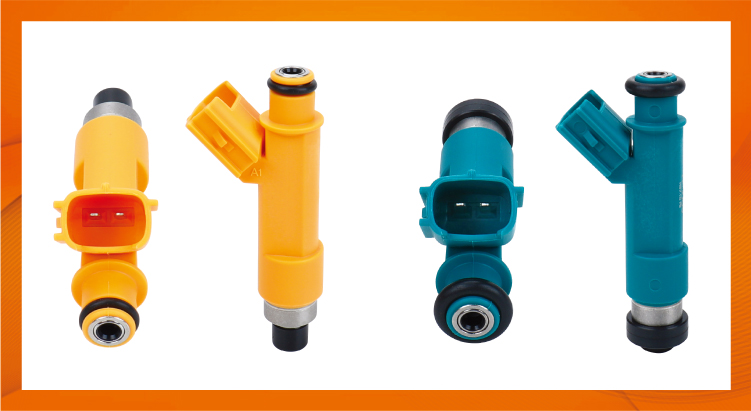
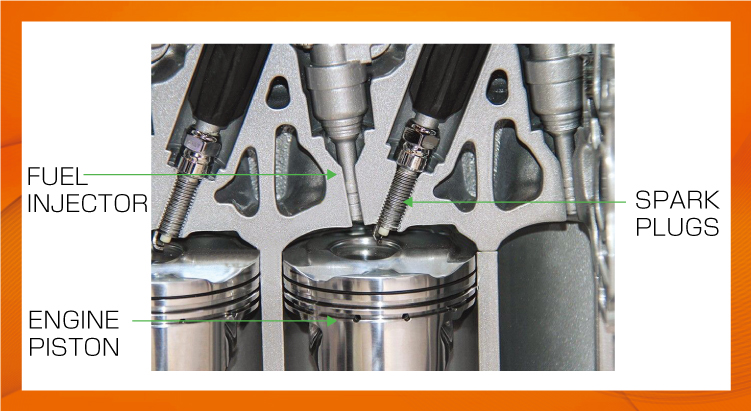
■ The fuel injector is the core precision component of the engine fuel delivery system. It is responsible for precisely injecting atomized fuel into the cylinder, where it mixes thoroughly with air for combustion, generating the power to drive the vehicle. Its operating precision directly determines the engine's power output, fuel economy, and exhaust emissions. Compatible with most passenger cars, commercial vehicles and hybrid electric models, it is an indispensable key part for maintaining stable engine operation — even a tiny injection deviation can affect the driving experience and core performance of the entire vehicle.
■ Fuel injectors in modern automobiles operate on the basic principle of a solenoid valve. When the solenoid coil is energized, it generates a magnetic attraction force that lifts the needle valve, opening the nozzle orifice. Fuel is then ejected at high speed through the annular gap between the pintle at the needle valve tip and the orifice, forming a fine mist that facilitates complete combustion.

■ The primary function of the fuel injector is to deliver a precise quantity of fuel at a precise time into the engine's intake manifold or combustion chamber. Its working principle is based on commands from the Electronic Control Unit (ECU); through the control of a solenoid valve or piezoelectric element, it achieves high-pressure atomized fuel injection. The opening and closing times of the fuel injector are extremely short, typically measured in milliseconds, ensuring that the fuel mixes with air at the optimal moment to achieve the ideal air-fuel ratio.

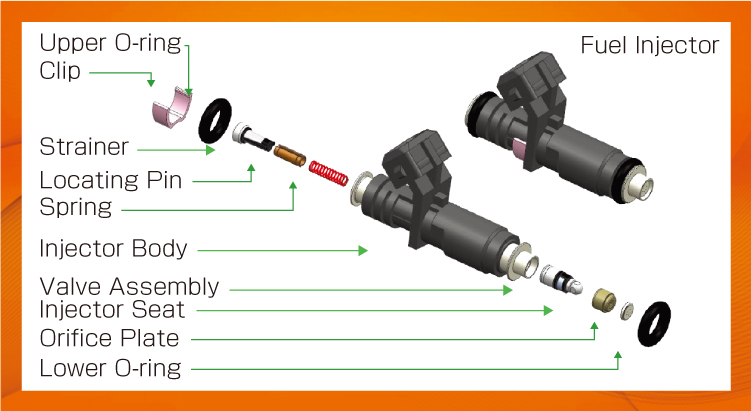
Products (structural schematic)

Product Strengths
■ Fuel Injector Advantages:
1. The ball valve utilizes Japanese G5 steel balls, and the valve seat is machined with Swedish UVA grinding machines, ensuring excellent sealing and thereby reducing carbon deposits.
2. Japanese springs are used to ensure product durability.
3. Austrian AVL flow meters combined with fully automatic dynamic flow matching equipment guarantee consistent flow delivery.
4. Femtosecond laser drilling enhances the atomization performance of the product.
■ Precise Atomization, Efficient Combustion: Featuring a high-precision nozzle orifice design, it atomizes fuel into ultra-fine droplets for a larger air contact area and more complete combustion. This sharpens throttle response and delivers brisker acceleration, while simultaneously reducing fuel waste and lowering consumption.
■ Wear-Resistant & Corrosion-Resistant, Built to Last: Crafted from premium high-temperature and corrosion-resistant alloy and subjected to precision machining with rigorous testing, it withstands the extreme heat and pressure inside the cylinder. It effectively resists corrosion from low-quality fuel, is highly resistant to wear and clogging, offers an extended service life, and is engineered to perform reliably under demanding road conditions and in extreme climates.
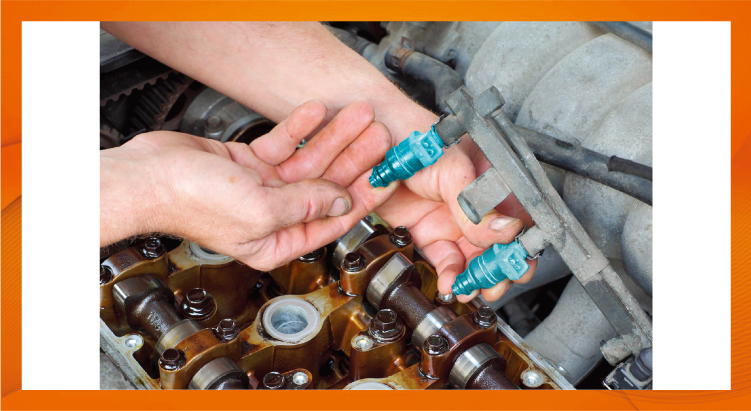
■ Strong Compatibility, Easy Installation: Developed and manufactured strictly to OEM specifications, it ensures a perfect match across a wide range of vehicle brands and engine displacements. It requires no modifications — a direct drop-in replacement. The installation process is efficient and hassle-free, blending professional precision with everyday practicality, whether for repair replacement or as a spare part.
■ Stable, Quiet, Eco-Friendly & Energy-Saving: With stable injection pressure and a uniform spray rhythm, it effectively reduces engine operating noise for a quieter, more refined driving experience. It also optimizes combustion efficiency, cutting harmful emissions such as carbon monoxide and hydrocarbons, complying with international environmental standards, and fulfilling the dual demands of power and environmental responsibility.
■ Anti-Clogging Design, Worry-Free: The built-in anti-clogging structure reduces the adhesion of impurities in the fuel, lowering the probability of clogging. It eliminates the need for frequent disassembly and cleaning, reduces maintenance frequency, and saves owners time and repair costs. It is compatible with all standard specification fuels.

Symptoms of Fuel Injector Failure
Fuel injectors are wear items. Long-term use, use of low-quality fuel, or improper maintenance can easily lead to damage and clogging. If you notice any of the following symptoms, a timely inspection and replacement are necessary to prevent engine damage:
■ Significant Power Loss: Poor injection and deteriorated atomization lead to incomplete combustion. This results in insufficient engine power, causing sluggish starts, weak acceleration, and delayed throttle response during overtaking. The engine may feel noticeably sluggish and unresponsive.
■ Abnormal Increase in Fuel Consumption: A clogged or leaking injector will cause uneven fuel injection and fuel waste. The fuel consumption displayed on the dashboard rises significantly; with consumption easily rising 1–2 L/100km under identical driving conditions, fuel economy will continue to deteriorate.
■ Engine Vibration, Unstable Idle: At idle, the engine vibrates noticeably, the RPM fluctuates erratically, and stalling may even occur. While driving, you may feel body tremors that intensify during acceleration, compromising driving safety in severe cases.
■ Abnormal Exhaust, Noticeable Odor: Incomplete combustion turns the exhaust black or gray, accompanied by a pungent odor of unburnt fuel or a burning smell. The vehicle is likely to fail emissions tests, and this may trigger the check engine light.
■ Hard Starting: When starting cold or hot, the engine may require multiple starting attempts or fail to start altogether. After finally starting, it runs rough and requires idling for a while to return to normal. This is mainly caused by insufficient fuel supply due to injector clogging.

Maintenance Tips
The lifespan of a fuel injector is closely related to its maintenance. Good routine maintenance can both extend its service life and maintain optimal engine performance. The following maintenance practices are recommended:
■ Use High-Quality Fuel, Avoid Contaminated Fuel. This is the most crucial maintenance measure! Low-quality fuel contains high levels of impurities and gum that easily adhere to the injector surface, leading to clogging and corrosion. Always refuel with fuel that meets your vehicle's specifications at reputable stations. Avoid mixing fuels of different ratings or brands to minimize contaminant-related damage.
■ Use Fuel Injector Cleaner Regularly. It is recommended to use a high-quality fuel system cleaner every 20,000–30,000 km. It effectively dissolves carbon deposits and gum on the injector surface, unclogs nozzle holes, restores injection precision, and cleans fuel lines to prevent blockage. Simply add it directly to the tank; no disassembly required.
■ Regular Inspection and Timely Repair. During every routine vehicle maintenance (e.g., oil and filter changes), have a technician check the injector's working condition, including injection pressure and sealing integrity, and look for signs of leakage or clogging. If the aforementioned damage symptoms appear, disassemble, clean, or replace the injector promptly to prevent minor issues from escalating into major failures that damage the engine.
■ Avoid Prolonged Idling. Long periods of idling (such as waiting with the engine running or sitting in traffic jams) cause incomplete combustion. Carbon deposits easily build up on injectors and spark plugs, accelerating injector aging. If you anticipate a stop longer than three minutes in traffic, turning off the engine can help reduce carbon buildup.
■ Replace Fuel Filter Regularly. The fuel filter is designed to trap fuel impurities. If it becomes clogged, contaminants can bypass the filter and enter the injectors directly, causing wear and clogging. Replace the filter according to your vehicle's maintenance schedule (typically every 40,000–60,000 km) to ensure a clean fuel supply.
■ Avoid Keeping the Fuel Tank Low for Extended Periods. When the fuel level is too low, the fuel pump is exposed to air, leading to poor heat dissipation. Meanwhile, impurities at the bottom of the tank are easily drawn into the fuel lines, eventually clogging the injectors. It is advisable to refuel once the tank drops to ¼ full and avoid consistently driving with low fuel.
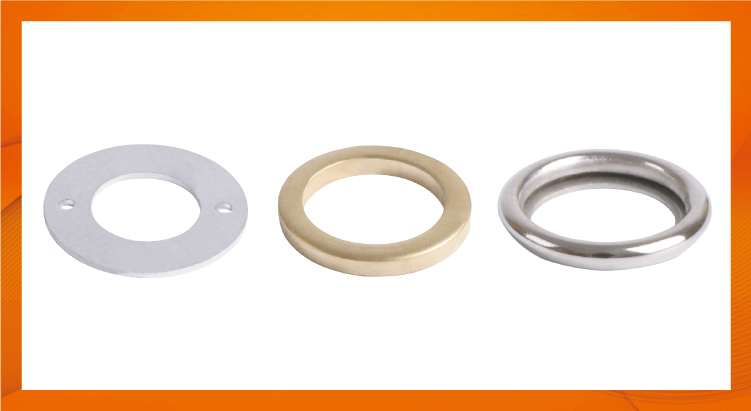
INJECTOR WASHERS
■ As the matching sealing element for the fuel injector, the injector washer is installed at the joint between the injector and the cylinder head. Manufactured from high-quality materials resistant to extreme temperatures and fuel corrosion, it reliably seals the mating gap. It effectively prevents fuel leakage, blocks the intrusion of oil and contaminants, cushions mechanical vibration, and protects related components. Since it is prone to aging and failure under prolonged harsh operating conditions, a compromised seal can trigger problems such as fuel leaks, unstable power, and increased fuel consumption. Replacing the washer whenever the injector is removed is a critical best practice for maintaining optimal engine condition.


Core Product Functions
■ High-Pressure Fuel Sealing to Eliminate Leaks and Waste
Seals the gap between the injector, fuel rail, and cylinder head, withstands high-pressure shocks in the fuel system, prevents gasoline/diesel leakage, avoids fuel evaporation and seepage that lead to soaring fuel consumption and safety hazards, while ensuring stable fuel injection pressure.
■ Blocks High-Temperature Combustion Gas to Maintain Cylinder Pressure
Isolates high-temperature, high-pressure exhaust gas inside the combustion chamber, preventing combustion gases from escaping into the fuel system or to the outside of the engine. This ensures proper cylinder compression and avoids issues such as power loss, rough idle, and hard starting.
■ Cushions Vibrations to Protect Precision Components
Absorbs vibration and shock generated during engine operation, preventing wear and deformation caused by hard contact between the injector and cylinder head. This extends the service life of both components and reduces abnormal noise.
■ Blocks Impurities to Protect the Fuel System
Blocks external impurities such as dust, carbon deposits, and coolant from entering the injector interior and combustion chamber, keeps the fuel injection path clean, and reduces the risk of injector clogging and engine carbon buildup.
Product Strengths
■ Robust Material: Features a thickened metal substrate with a temperature resistance ranging from -40°C to 220°C. Offers excellent resistance to fuel corrosion, aging, and compression set. It will not harden, crack, or leak during long-term service.
■ Precision Molding, OEM-Level Fit: 3D scanning replicates original factory dimensions with a tolerance controlled within 0.01mm. Installation is gap-free with no misalignment, requires no grinding or modification, and can be quickly performed even by novices.
■ Compared to ordinary washers, the service life is extended by more than 3 times. A single replacement provides a long-lasting solution to leakage issues, saving the cost and hassle of repeated repairs.
■ Universal Fit, Wide Coverage: Compatible with gasoline vehicles, diesel vehicles, construction machinery, generator sets, and many other machine types, meeting the repair and replacement needs of the vast majority of models.
Installation Precautions
■ Thorough Cleaning: Before installation, the injector mounting hole and cylinder head contact surface must be thoroughly cleaned of carbon deposits, oil stains, and old washer residue. Ensure the contact surface is flat and scratch-free, otherwise seal failure can easily occur.
■ Strictly Forbid Reverse Installation: Strictly follow the product markings and cross-sectional diagram structure to distinguish the front and back sides. The metal layer should face the cylinder head/high-pressure fuel rail, and the rubber layer should fit against the injector. Reversing the washer will immediately result in a complete loss of sealing.
■ Standardized Torque: When tightening the injector retaining bolts, tighten them evenly using the original manufacturer's standard torque specifications for the vehicle model. Do not use excessive force, as this can crush the washer or deform the injector.
■ Replace as a Set: It is recommended to replace the upper and lower injector washers and O-rings as a complete set. Never replace individual components only, as differing aging rates between old and new parts can lead to secondary leaks.
■ Do Not Use Lubricants: It is forbidden to apply lubricants such as engine oil or grease during installation. Lubricants can contaminate the fuel system and degrade the washer material. A clean, dry-fit installation is required.
■ Test Run Inspection: After installation, start the engine and let it idle for 5-10 minutes. Observe for any fuel leakage, abnormal noises, or unstable idle. Resume normal operation only after confirming that everything is functioning correctly.
Maintenance Tips
1. Regular Inspection Interval
For passenger vehicles, inspection is recommended every 30,000–50,000 km or whenever the injector is removed. For commercial vehicles and construction machinery operating under severe conditions, inspection is recommended every 20,000–30,000 km. If the washer is found to be hardened, cracked, or leaking, replace it immediately.
2. Predictive Replacement Signs
If unexplained increases in fuel consumption, rough idle, a raw fuel smell from the engine bay, cold starting difficulties, or excessive exhaust emissions occur, prioritize inspecting the injector washer for aging and failure.
3. Tips for Extending Service Life
Use certified quality fuel to avoid corrosion of the washer by low-quality fuel.
■ Regularly clean the injectors and remove engine carbon deposits to reduce abrasive wear on the washer from impurities.
■ Avoid prolonged high-temperature and overload engine operation to slow down the washer aging.
■ When removing the injector for repair, do not repeatedly bend or squeeze the washer. It is safer to replace it with a new one each time.