









 Home
Home
 Share
Share


Why Water Pump Reliability Matters
The water pump is a critical component of a vehicle's cooling system. Its primary function is to circulate coolant between the engine and radiator, helping maintain stable operating temperatures under a wide range of driving conditions.
When a car water pump functions properly, coolant continuously absorbs heat from the engine and transfers it to the radiator for dissipation. However, when a water pump begins to fail, coolant circulation may become restricted, causing overheating, reduced cooling efficiency, and potentially serious engine damage.
Although modern cooling systems are designed for durability, water pump failure can still occur due to wear, corrosion, contamination, or inadequate maintenance. Understanding the common causes and warning signs of water pump problems can help reduce repair costs and extend engine life.
MASUMA water pumps are engineered with durable bearings, corrosion-resistant impellers, and high-performance sealing systems to support reliable coolant circulation and long-term cooling system performance.
Common Signs of Water Pump Problems
Water pumps rarely fail without warning. In many cases, symptoms develop gradually before complete failure occurs. Identifying these warning signs early can help prevent more extensive cooling system damage.
Coolant Leakage Around the Water Pump
One of the most common symptoms of water pump failure is coolant leakage.
As seals, bearings, or gaskets wear over time, coolant may begin leaking from the pump housing. Drivers may notice coolant spots beneath the vehicle, dried coolant residue around the pump, or a gradual drop in coolant level.
Even a small water pump coolant leak should not be ignored. Over time, coolant loss can reduce cooling system efficiency and increase the risk of engine overheating.
Engine Overheating
Engine overheating is another common sign of a failing water pump.
When coolant flow becomes restricted due to internal damage, worn components, or impeller issues, the cooling system may no longer be able to remove heat effectively. This can lead to rising temperature readings, overheating warnings, and reduced engine performance.
If left unresolved, prolonged overheating can damage critical engine components and lead to expensive repairs.
Whining, Grinding, or Unusual Noises
A bad water pump may produce unusual noises while the engine is running.
Common sounds include whining, grinding, squealing, or bearing-related rumbling noises. These symptoms often indicate bearing wear, shaft misalignment, or pulley-related issues.
As internal components continue to deteriorate, pump efficiency may decline and the likelihood of complete failure increases.
What Causes Water Pump Failure?
Water pump failure is often the result of multiple contributing factors rather than a single defect.
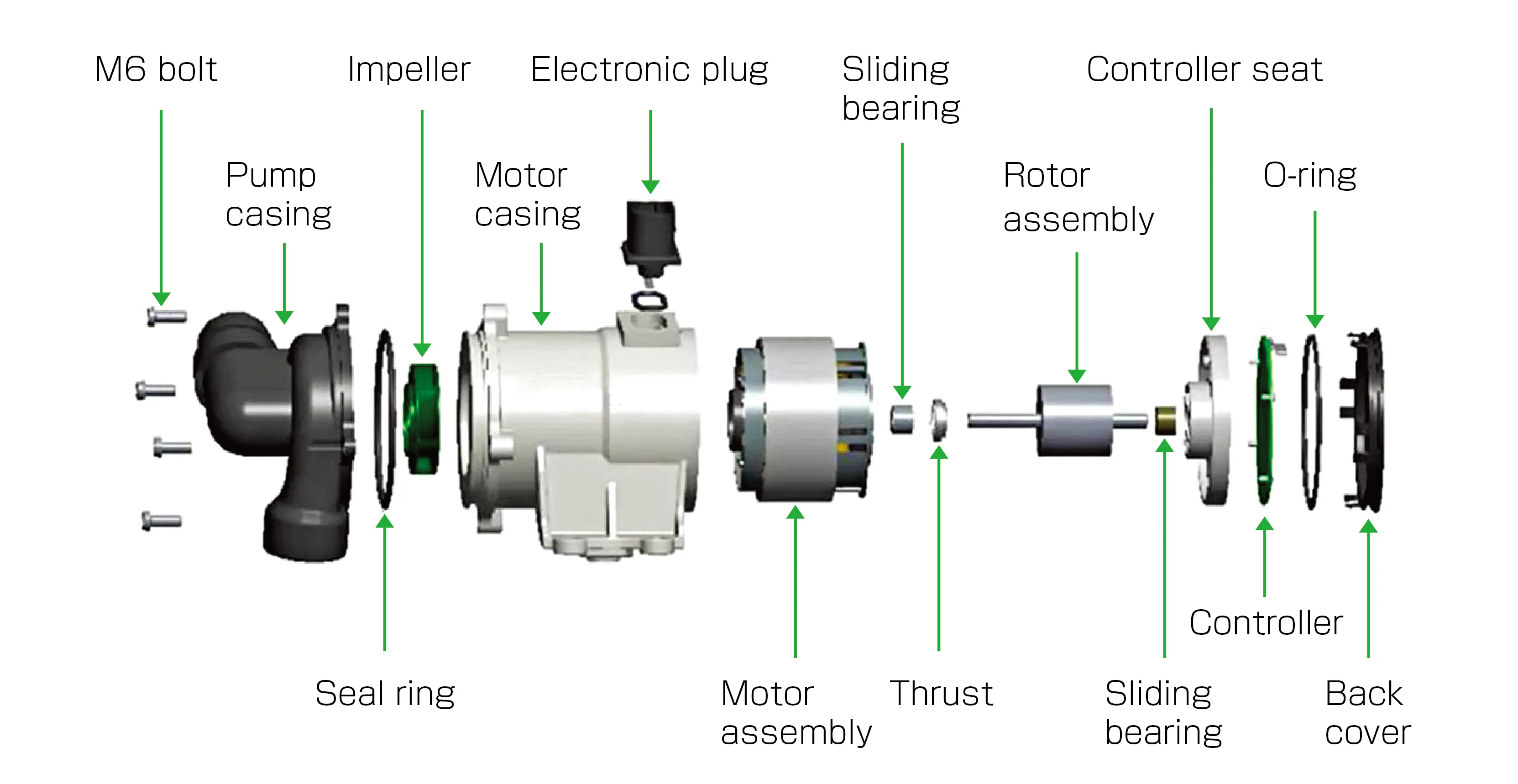
Bearing Wear and Mechanical Fatigue
Water pump bearings operate continuously whenever the engine is running. Over time, repeated loads, vibration, and heat exposure can cause bearing fatigue and wear.
As bearings deteriorate, they may develop excessive play, generate abnormal noise, or eventually seize. Bearing failure remains one of the most common causes of water pump replacement.
Seal Deterioration and Coolant Leakage
Seals play a vital role in preventing coolant from escaping the pump assembly.
Continuous exposure to heat, pressure, and coolant additives can gradually degrade sealing materials. Once seal performance declines, coolant leakage often follows.
Routine cooling system inspections can help detect seal-related issues before significant coolant loss occurs.
Corrosion Caused by Poor Coolant Maintenance
Water pump corrosion is a major contributor to premature failure.
Corrosion often develops when coolant is not replaced according to service intervals, incorrect coolant is used, or untreated water is mixed into the cooling system.
A rusty water pump may suffer from reduced efficiency, damaged seals, and impeller deterioration. In severe cases, corrosion can affect multiple cooling system components.
Cavitation Damage Inside the Cooling System
Cavitation occurs when vapor bubbles form within coolant and collapse against internal metal surfaces.
Although these bubbles are extremely small, repeated cavitation can gradually erode pump components and reduce operating efficiency.
Maintaining proper coolant levels and eliminating trapped air can help minimize cavitation-related damage.
Impeller Damage or Coolant Flow Restriction
The impeller is responsible for circulating coolant throughout the engine and radiator.
If the impeller becomes damaged, corroded, or partially blocked by debris, coolant flow may be significantly reduced. Restricted coolant circulation can increase operating temperatures and negatively affect cooling system performance.
Drive Belt and Pulley Issues
Many water pumps rely on belts and pulleys for operation.
Improper belt tension, pulley misalignment, or worn accessory drive components can place additional stress on the pump shaft and bearings. Over time, these conditions may accelerate wear and shorten water pump service life.
How Coolant Quality Affects Water Pump Life
Coolant does much more than regulate engine temperature. It also helps protect cooling system components from corrosion, deposits, and excessive wear.
Poor coolant quality or neglected maintenance can significantly reduce water pump lifespan.
Common coolant-related problems include corrosion inside the pump housing, rust formation on metal surfaces, seal degradation, impeller erosion, and restricted coolant passages.
Many technicians recommend using distilled water when mixing coolant concentrates. Unlike ordinary tap water, distilled water contains very few minerals that may contribute to scale buildup and corrosion.
Regular coolant replacement helps maintain corrosion inhibitors and supports long-term cooling system reliability.
How to Extend Water Pump Service Life
Although water pumps are wear items, proper maintenance can significantly reduce the risk of premature failure.
- ✓ Follow Recommended Coolant Service Intervals: Old coolant gradually loses its protective properties. Replacing coolant according to manufacturer recommendations helps minimize corrosion and contamination.
- ✓ Inspect Belts and Pulleys Regularly: Loose, worn, or damaged belts can affect water pump operation. Regular inspections help identify potential problems before they damage the pump.
- ✓ Keep the Cooling System Clean: Rust, dirt, and debris can accelerate wear throughout the cooling system. Periodic cooling system flushing helps maintain proper coolant flow and component performance.
- ✓ Address Small Leaks Immediately: Minor coolant leaks often develop into larger problems if ignored. Prompt repairs help prevent coolant loss, overheating, and additional component damage.
- ✓ Use High-Quality Replacement Parts: Selecting a water pump manufactured to OEM-quality standards can improve durability, sealing performance, and overall cooling system reliability.
Choosing a High-Quality Water Pump for Reliable Performance
Not all water pumps are built to the same standards. Material quality, manufacturing precision, and engineering design all influence service life and performance.
When selecting a replacement water pump, consider the following factors:
• Durable Bearing Design
High-quality bearings help ensure stable operation under continuous load and varying temperature conditions.
• Corrosion-Resistant Impeller Materials
Advanced impeller materials provide improved resistance to corrosion, cavitation, and long-term wear.
• Leak-Resistant Sealing Technology
Reliable sealing systems help minimize coolant leakage and maintain cooling system efficiency.
• OEM-Level Manufacturing Standards
Precision machining and strict quality control contribute to better fitment, durability, and performance.
MASUMA water pumps are designed to meet demanding cooling system requirements, delivering dependable coolant circulation and long-lasting performance for passenger vehicles worldwide.
 Previous Article