









 Home
Home
 Share
Share


1. How Fuel Injectors Work: The Science Behind Atomization
Modern automotive fuel injectors operate as high-speed solenoid valves managed by the Engine Control Unit (ECU). When the ECU calculates the precise fuel needed based on engine load, speed, and throttle position, it sends an electrical pulse to the injector coil.
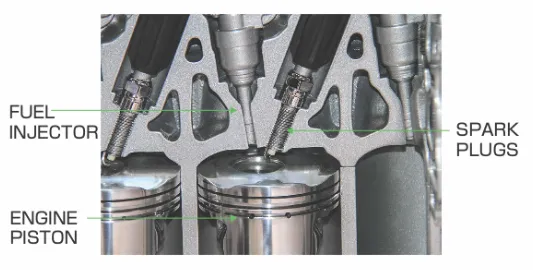
• Solenoid Activation: The electrical signal creates a magnetic field that instantly lifts the internal needle valve against spring tension.
• Pressurized Spray: High-pressure fuel flows out at high speed through the micro-orifice at the nozzle tip.
• Fine Atomization: Fuel breaks into an ultra-fine mist as it passes through the narrow gap, mixing evenly with incoming air for complete combustion.
Because injection event durations are measured in milliseconds, precise atomization is critical for crisp throttle response and clean combustion. Even minor clogging or wear can disrupt this delicate air-fuel ratio. Learn more about common fuel injector problems affecting performance and emissions to spot early warning signs before severe damage occurs.
2. Common Symptoms of Fuel Injector Failure
Fuel injectors operate under high pressures and extreme thermal cycles. Over time, varnish and carbon deposits cause component wear or blockage. Watch out for these common warning signs:
•Significant Power Loss: Poor atomization prevents complete combustion, resulting in sluggish acceleration, weak climbing power, and delayed throttle response.
•Abnormal Fuel Consumption: A leaking or sticky valve causes unburnt fuel waste, increasing fuel consumption by 1–2 L/100km under normal driving conditions.
•Engine Vibration & Unstable Idle: Misfires or uneven fuel delivery cause rough idling, severe body tremors, or unexpected stalling at stoplights.
•Pungent Exhaust Odors: Unburnt fuel entering the exhaust creates black smoke and a raw gasoline smell, triggering the Check Engine Light.
•Hard Cold/Hot Starting: Insufficient fuel pressure or leaking injectors delay startup, requiring multiple ignition attempts before running rough.
3. Maintenance Tips for Extended Lifespan
Proper routine maintenance preserves injection accuracy and extends component service life:
1. Use Quality Fuels: Refuel at reputable stations to prevent low-grade gum and debris from clinging to micro-orifices and causing clogs.
2. Add Cleaner Regularly: Add a high-quality fuel system cleaner every 20,000–30,000 km to dissolve soft carbon deposits without disassembly.
3. Replace Fuel Filters On Schedule: Change your fuel filter every 40,000–60,000 km to block particulate impurities from entering high-pressure rails.
4. Avoid Driving on Empty: Low fuel levels allow fuel tank sediment to enter fuel lines and expose the pump and injectors to thermal stress.
4. The Critical Partner: Injector Washers & Seals
When replacing or servicing fuel injectors, the matching injector washer (seal ring) is just as critical as the injector itself.
• High-Pressure Combustion Barrier: Prevents hot cylinder combustion gases from leaking past the injector body (preventing "black death" soot buildup).
• Fuel Leak Prevention: Seals the junction between the injector, cylinder head, and fuel rail to maintain stable system pressure.
• Vibration Dampening: Absorbs high-frequency mechanical vibration, preventing metal-on-metal wear between the cylinder head and injector housing.
• Golden Rule of Replacement: Injector washers are single-use crushable seals. Reusing an old, hardened washer risks gas blow-by, cylinder pressure loss, and severe engine bay carbon buildup. Always replace washers as a complete set during injector service!
5. Why Choose MASUMA OEM-Quality Injectors & Washers?
MASUMA manufactures premium engine components designed for passenger cars, combining rigorous Japanese technical standards with extreme durability:
• Japanese G5 Steel Ball & Swedish UVA Grinding: Ensures flawless micro-seating between ball valve and seat, preventing leak-down and carbon formation.
• Femtosecond Laser Drilling: Precision orifice manufacturing generates ultra-fine spray droplets for optimal atomization, sharper throttle response, and superior fuel economy.
• Austrian AVL Flow Matching: Every set undergoes dynamic flow matching via automated equipment for uniform cylinder performance.
• 3D-Scanned Precision Washers: Crafted with strict 0.01mm tolerances and heat resistance ranging from -40°C to 220°C for long-lasting, leak-free reliability.
• Direct Drop-in Replacement: Manufactured strictly to exact OEM specifications for seamless installation across major vehicle makes and displacements.
 Previous Article