TRANSMISSION OIL

■ Transmission oil is a type of lubricant that keeps the transmission system clean, enables the transmission to operate properly, and extends the service life of transmission components. Transmission oils can be further divided into automatic transmission fluid and manual transmission fluid according to different transmission structures.
■ Transmission works as one of those core components of the automobile drivetrain, and entails many mechanical gears and hydraulic control devices inside that will be subjected to high temperature, pressure, speed, and other special conditions during operation. It is necessary for engineers to inject “transmission oil” into the transmission so as to enhance its work performance and to ensure its secure, stable, and continuous operation.
■ Transmission oil and engine lubricant are not the same product. Although both kinds of oils are characterized by their lubrication effect, their benefits are different.
■ Difference: Engine lubricant serves as the lubricant for the engine system and presents certain oxidation resistance, abrasion resistance, corrosion resistance, and other properties, while transmission oil is mainly designed to not only keep the gear system clean but also elongate the service lives of various components inside the transmission. Since transmission and engine are assembled and operated in different manners, transmission oil can not be adopted as engine lubricant, and vice versa.
Product Description
■ Transmission oil consists of base oil and additives. Base oil works as the main component in transmission oil and thus determines its basic properties; additives can make up for and improve the deficiencies in base oil performance, and thus endow it with new properties.
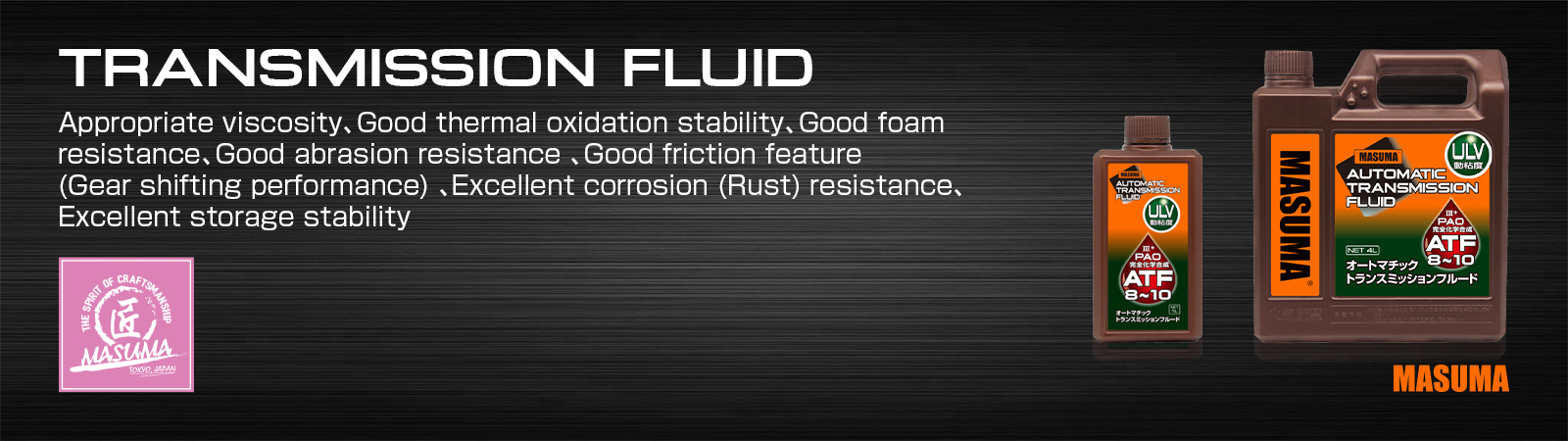
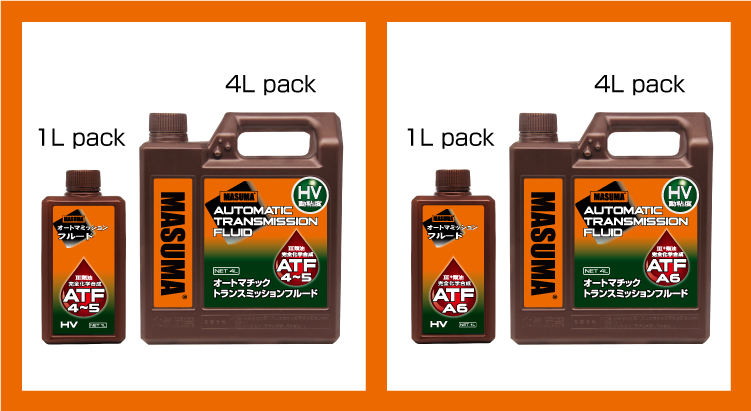
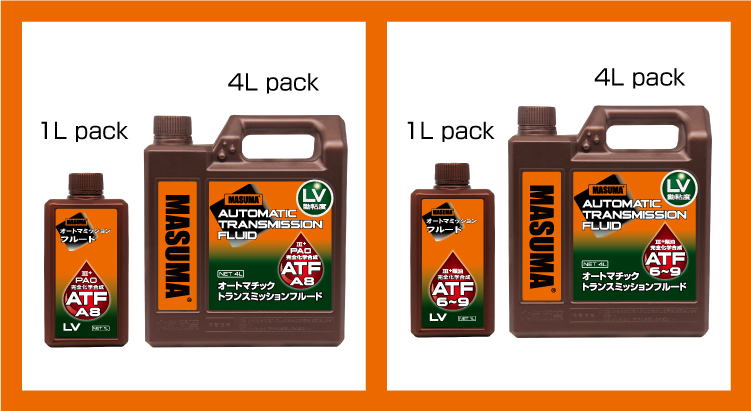
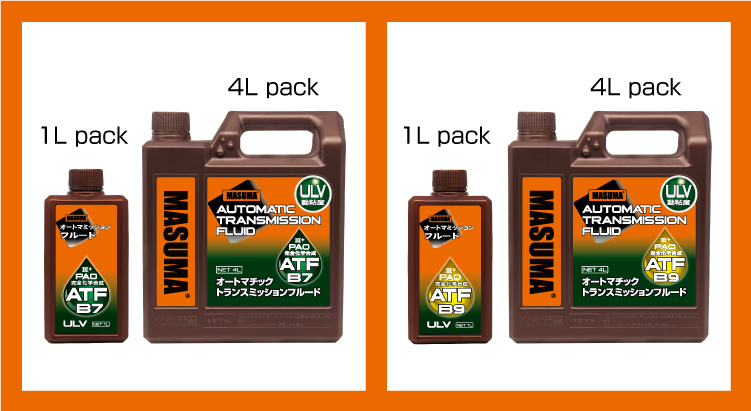
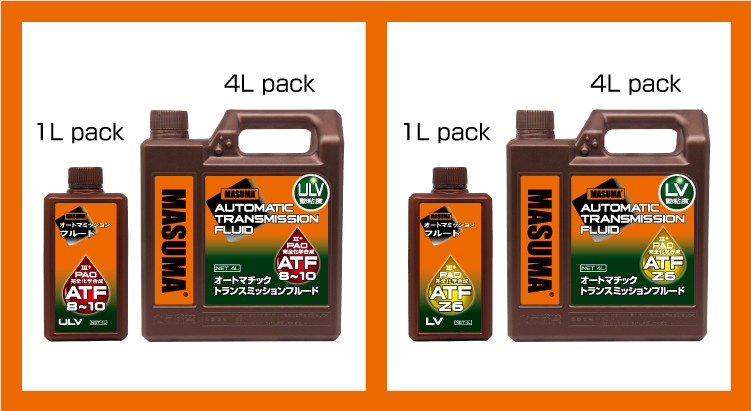
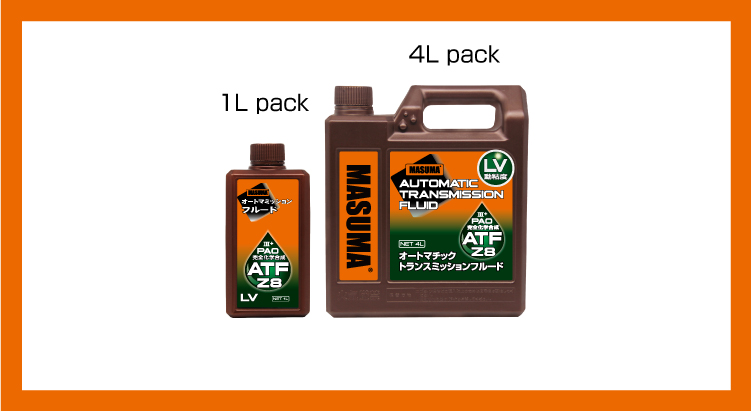
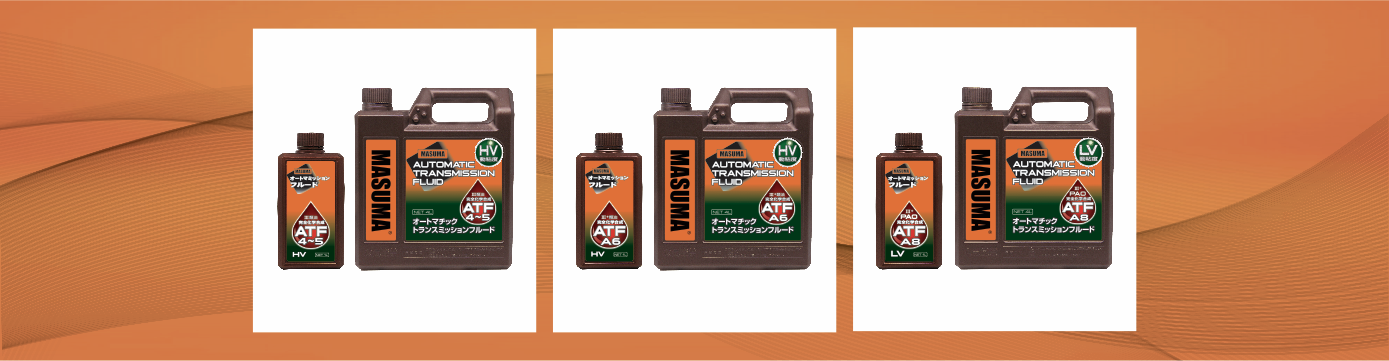
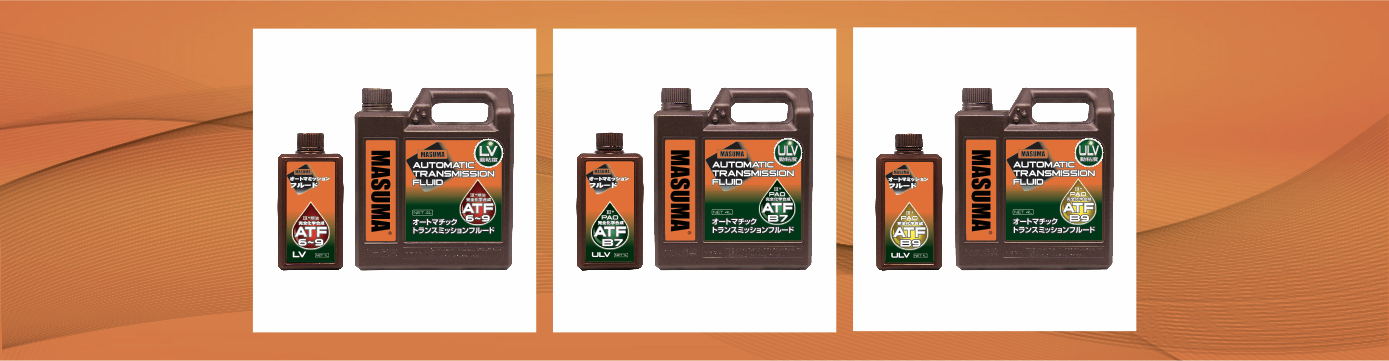
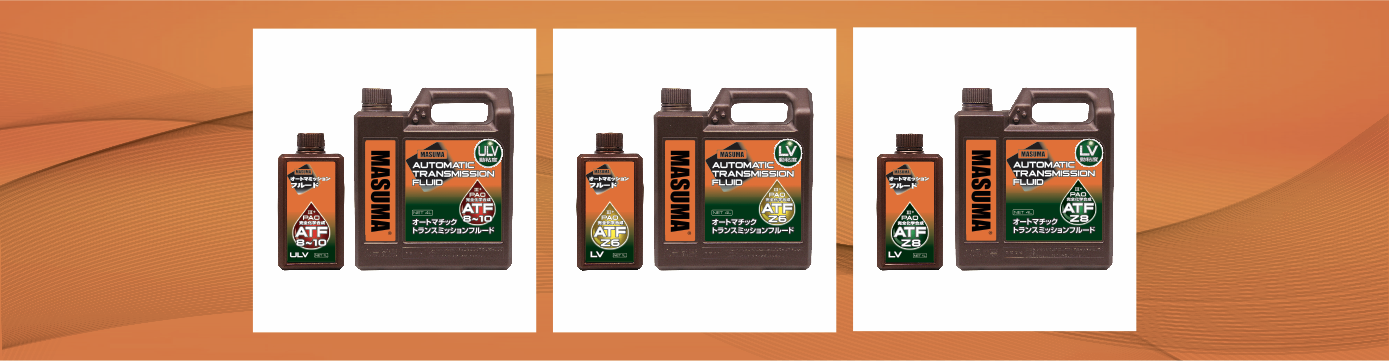
MASUMA Fully synthetic automatic transmission fluid ATF series: Apply to AT automatic transmissions.
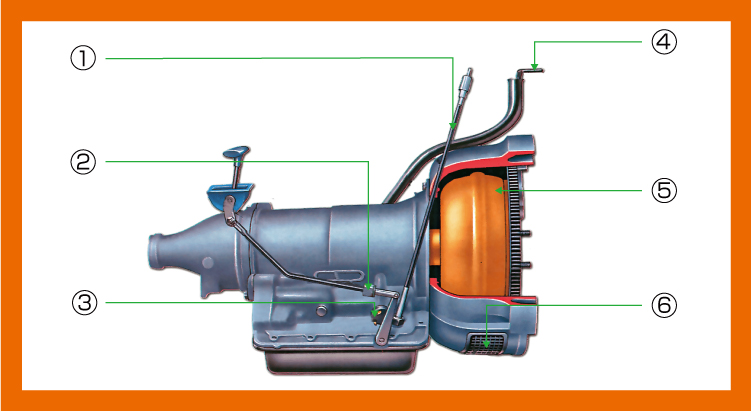
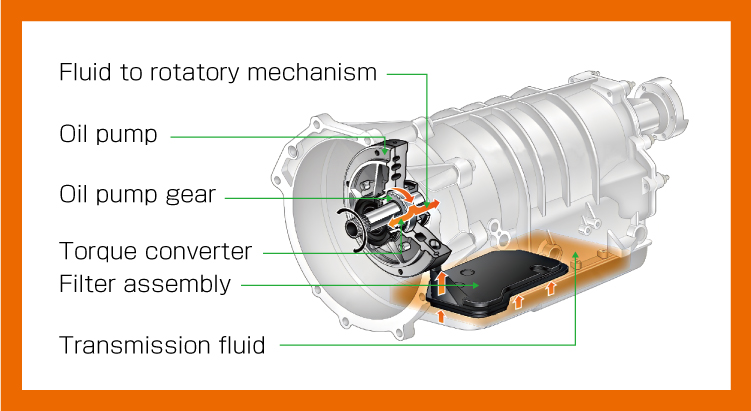
■ Automatic transmission fluid (ATF for short) is a kind of transmission oil specifically designed for vehicles with automatic shift or automatic speed switching. Early automatic transmissions were not designed with designated fluid but adopted engine lubricant instead. Now, the designated fluid for automatic transmission serves as not only the transmission oil for the torque converter but also the lubricant for the planetary gear structure and the hydraulic fluid for gearshift.
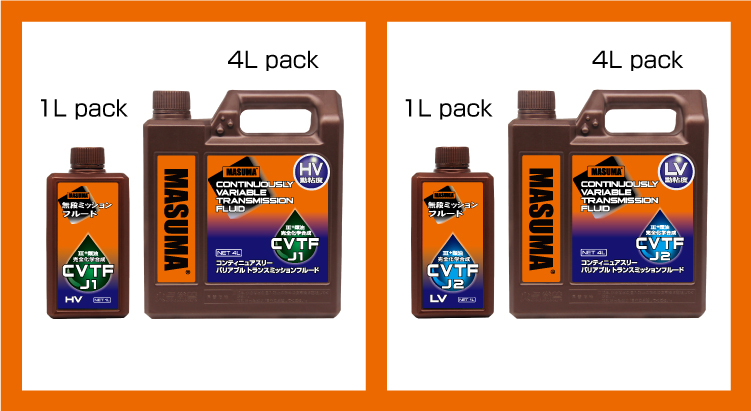
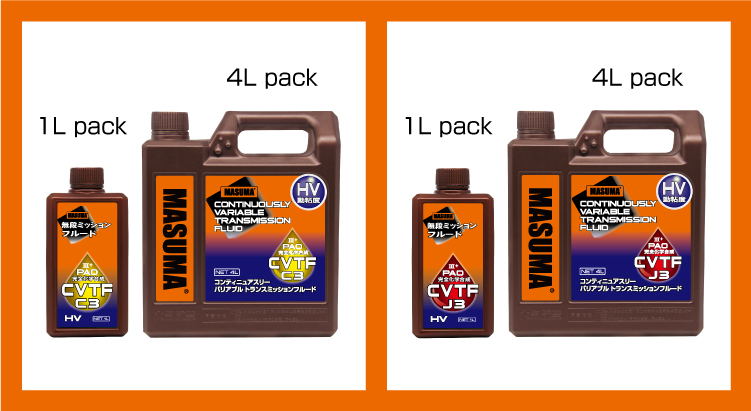
MASUMA fully synthetic continuously variable transmission oil CVTF series: Apply to continuously variable transmission (CVT).
■ Although CVTF transmission oil is similar in nature to ATF oil, it also works as a kind of designated oil. CVTF transmission oil is specially designed for steel chain drive, so the flow rate, friction performance, expansion coefficient, and other parameters of the required oil are different, and it can not be replaced by ATF transmission oil. Relatively speaking, it is thinner than ATF automatic transmission fluid, and also presents a certain damping friction to avoid the transmission chain from slipping.


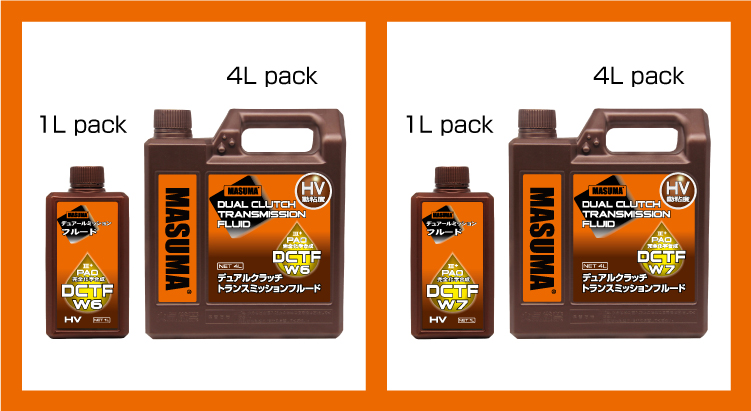
MASUMA fully synthetic dual clutch transmission fluid DCTF series: Apply to dual clutch transmission (DCT).
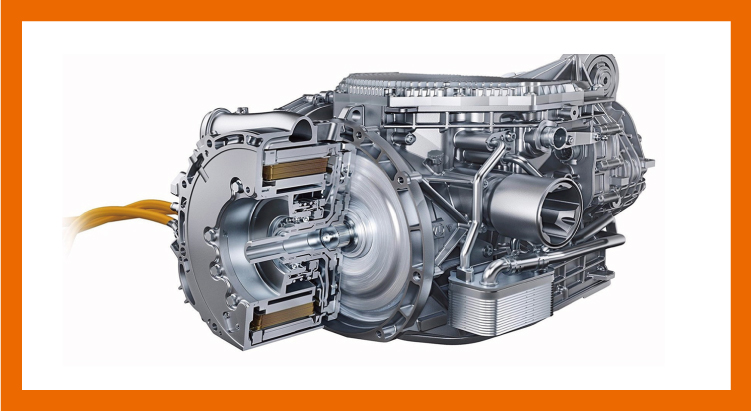
■ Dual clutch transmission (DCT), also known as direct-shift gearbox (DSG) transmission, displays very obvious advantages, but its internal structure is very complex on the contrary. Although DSG also works as an automatic transmission, it is fundamentally different from previous automatic transmissions. We can regard DSG as a combination of two MTs (namely manual transmissions), so the oil for such a transmission should be a mixture between gear oil and hydraulic fluid.

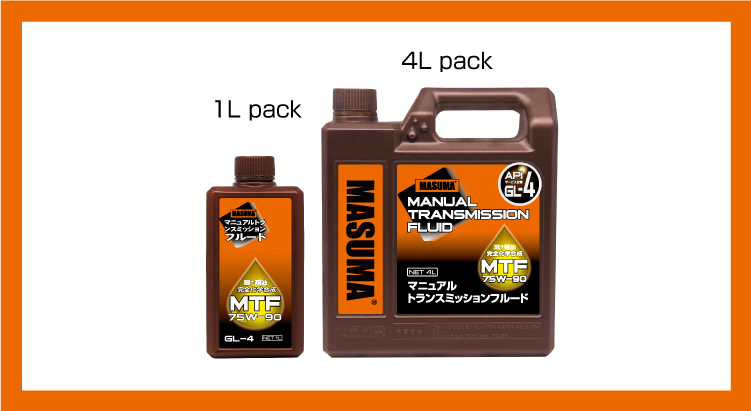
MASUMA fully synthetic manual transmission fluid MTF series: Apply to manual transmission.
■ Manual transmission fluid is mainly designed to lubricate and absorb shock against transmission gears. It is applied to various gear assemblies so as to avoid scratches, abrasion, sintering, etc., upon tooth surface. It can elongate the service life of the transmission and enhance power transmission efficiency.
■ Each transmission model has been designed under different technical requirements, and even the torque, weight, rotational speed, structure, and other parameters regarding transmissions of the same model will vary as they are mounted on different vehicle models, so do transmission oils.

Product Strengths
■ Appropriate viscosity
■ Good thermal oxidation stability
■ Good foam resistance
■ Good abrasion resistance
■ Good matching with the rubber seal material in the system
■ Good friction feature (Gear shifting performance)
■ Excellent corrosion (Rust) resistance
■ Excellent storage stability

Replacement period:
■ In general, manual transmission fluid should be replaced each two years or 60,000 km, and automatic transmission fluid needs to be replaced every 60,000 km.
Hazards from no change in transmission oil:
1. Damage to transmission shift control mechanism;
2. Abnormal abrasion in the gears and clutch discs inside transmission;
3. Impact on the normal operation of transmission and damage to its valve body.


Attention on transmission oil replacement:
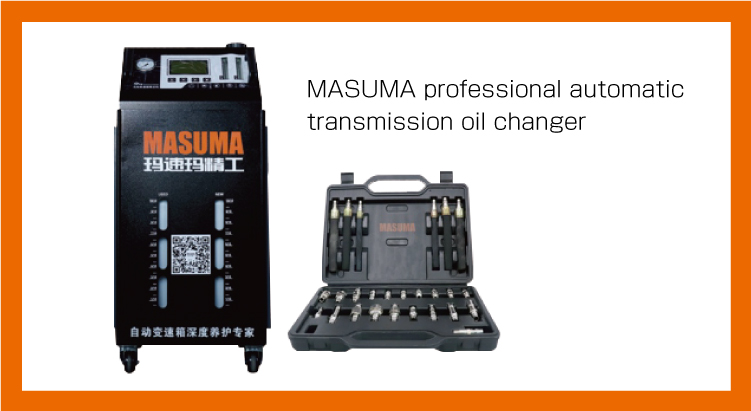
■ During the transmission oil replacement, there will be oil residue in the oil passage and the torque converter of the transmission. Therefore, when a different oil is injected into the transmission, two types of oils will be mixed with each other inside the transmission, which may reduce the performance of the newly replaced, and result in failures in the transmission, such as poor lubrication or abnormal operation state. For this reason, it is best for you to turn to a professional fully automatic transmission fluid changer for oil replacement.

■ If your vehicle is operated frequently or under complex conditions, the transmission oil should be replaced in advance. Drivers should take the transmission oil replacement into serious consideration when there is failure in gear shifting, slow response, abnormal sound from the transmission as you just start your vehicle, or any other similar issue.