Chassis suspension system

■ Chassis suspension (suspension) system refers to all the force transmission connections between the frame and axle or wheels of a vehicle. The main function of the suspension is to transmit all the forces and moments between the wheels and the body, for example, support force, braking force, and driving force, etc., and it also moderates the impact loads transmitted to the body by uneven road surfaces, mitigates the resulting vibrations, provides occupant comfort, and minimizes the dynamic loads on the cargo and the car body.
Product Description
I: Suspension arm series

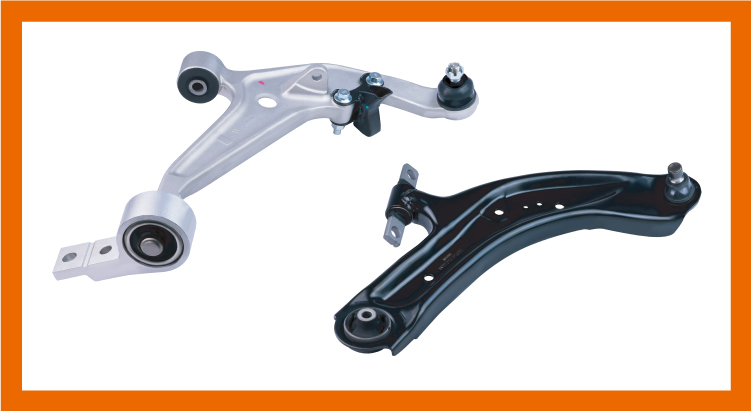
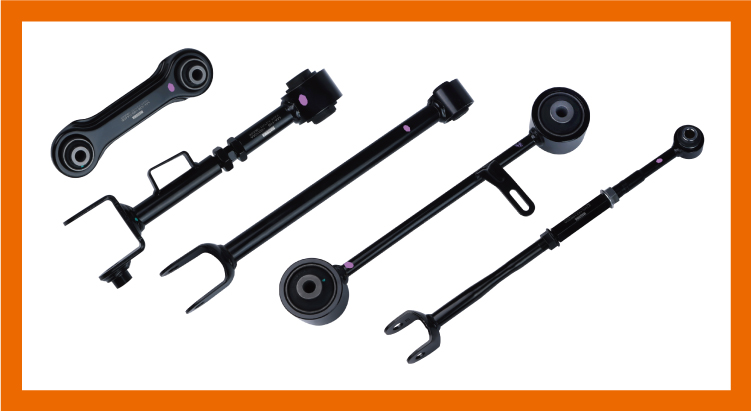
1、 All suspension arm series use Masuma’s high-quality ball heads and high-quality bushings to ensure that each Masuma suspension arm set has superior performance.
2、 The cast arm adopts ductile iron (alloy cast iron), its strength and wear resistance are superior to ordinary steel. The advantages are that it is not easy to deform this cast arm, it is strong and durable, but the disadvantages are that it is heavy and increases the fuel consumption of the vehicle.
3、 The stamping type suspension uses high-quality cold-rolled steel plates to ensure the strength and durability of the product, and also uses Japanese Panasonic robotic welding to ensure the strength and stability of each set of products.
4、 Energy-saving aluminum swing arm adopts high-density fine forged aluminum bar, finely forged by a 2500-ton forging machine, hard melting after forging + aging heat treatment hardening process compared with traditional steel swing arm. Strength and fatigue resistance have been greatly enhanced; the forged aluminum alloy swing arm has emerged as one of the most critical measures for lightweight vehicle construction owing to its excellent mechanical properties and excellent corrosion resistance.



II: Ball head series

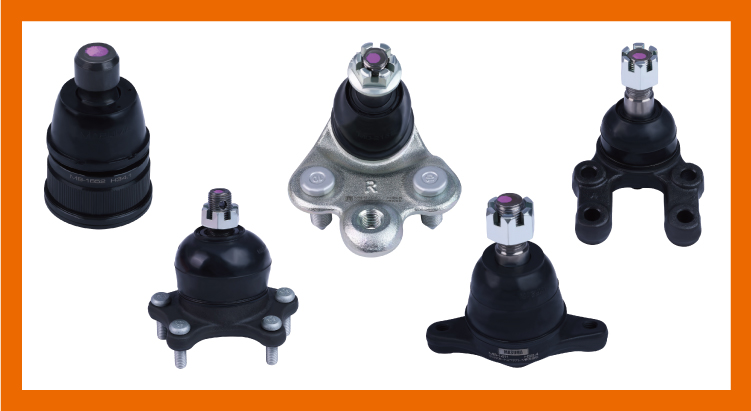
Suspension Ball Joint: The entire series of Masuma ball heads is manufactured with advanced equipment and high-end technology from Japan and Korea, and it has passed the SGS-certified automotive industry quality management system IATF16949, strict performance tests (high and low temperature rotation resistance, mud spray and rubber dust protection test at high and low temperature, etc.) to ensure excellent and stable performance and durability of each product.


Rack End: The draw-in bar ball head seat material adopts a 20Cr cold extrusion process for one-time forming, the tie rod ball pin adopts a 40Cr cold drawing process for precision processing, the ball cup is made of a Japanese special material, and the ball head lubricant adopts Japanese special grease.


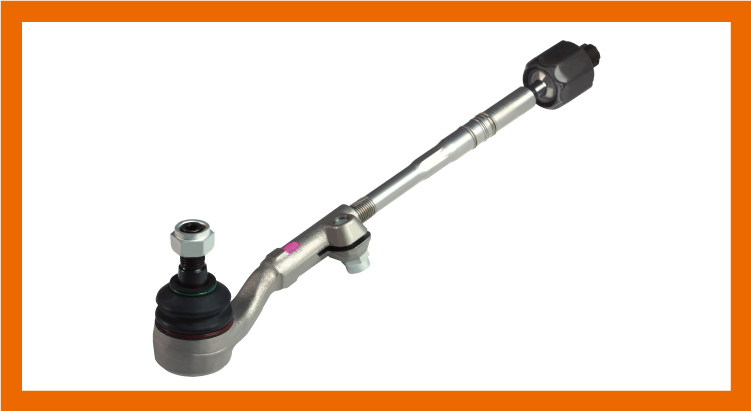
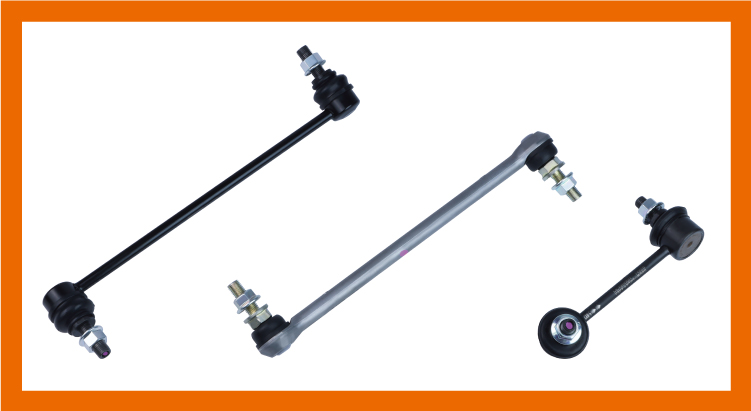
Tie Rod End、Side Rod Assy、Stabilizer Link: Suspension ball head/external rod ball head series products. Ball jacket adopts 40Cr fine forging standardized and hardened, 100% defect detection, and then precision machining. The balance ball head series adopts Japanese high-precision automatic welding equipment; the welding angle is accurate, and the impact strength and tensile force exceed 2000 kg. F. The ball casing material adopts a low-carbon steel cold treatment process, unique forming, surface phosphate blackening, salt spray test for more than 72 hours. The ball stud is made of 40Cr material, the ball jacket is made of a Japanese special material, the ball head lubricant is made of Japanese special grease, the dust cover is made of Japanese Denka neoprene, the low temperature resistance reaches -45 degrees centigrade, and the high temperature resistance reaches 120 degrees centigrade. Outstanding toughness and abrasion resistance.





III: Rear Support Bar

1、 The products of the rear support beam series are made of special steel plates of international standard automotive steel with one-time stamping and high tensile strength, which enhances the mechanical structure strength of the car body.
2、 The protective welding of tie rod and sleeve shell is done automatically by machine hands, assuring the welding strength and uniformity of products.
3、 The bushings consist of natural rubber from Thailand, by injection and slicing process, which causes the rubber to be denser and the product service life to be longer.


IV: Primary and Secondary Steering Follow-up Arm Series

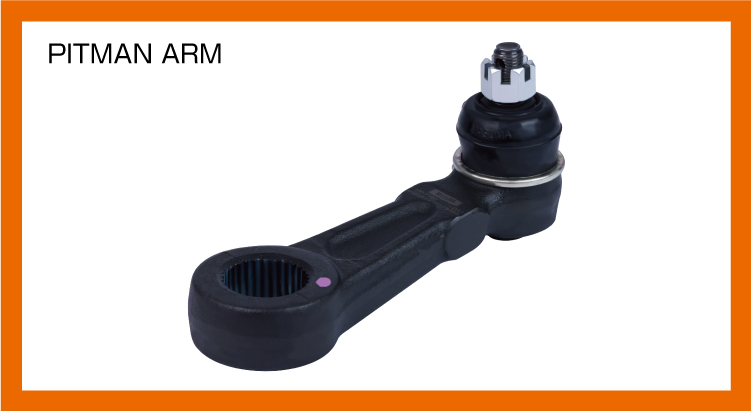
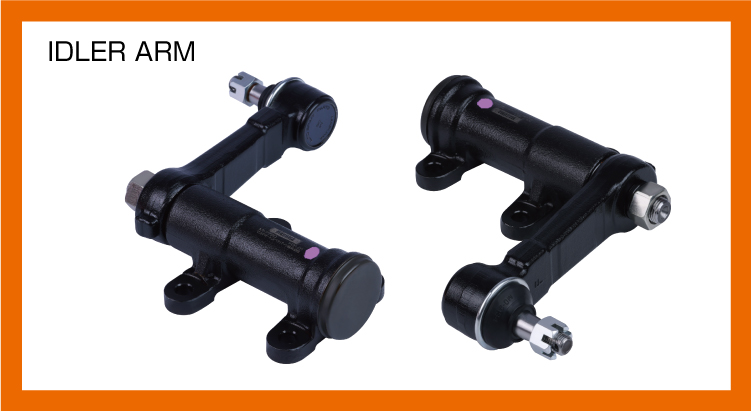
■ The primary steering follow-up arms and secondary steering follow-up arms are commonly known as the pitman arm and idler arm. The pitman arm serves as a fixed center link, while the idler arm is a part of the vehicle steering system that cooperates with the steering unit to make the steering linkage run in parallel, so as to achieve the purpose of the left and right front wheels turn at a predetermined angle.


Maintenance Tips
Signs of damage to the vehicle swing arm are:

1、 Inflexible bend of the vehicle.
2、 Decreased stability of the vehicle.
3、 Poor damping of the vehicle, which reduces driving comfort.
4、 Causing brake runout in severe conditions.
5、 The steering wheel is occasionally light or heavy, and the left and right feel incoherently difficult to control.
6、 The road surface is not flat on the side of the error noise emitted by the noise sound.
Signs of a damaged car head are:

1、 A muffled sound when the car is driving on bumpy roads.
2、 The shaking of the wheels can be felt clearly at low speed.
3、 The car seems unstable, sways from side to side, goes off the road while driving, and may even cause brake failure in severe cases.
Signs of damage to the rear tie rod of a car are:

1 、 Rattling and noise on rough roads.
2、The car is unstable and sways from side to side.
3、Brakes run out, and steering errors occur.
■ Damage to the swing arm, ball head, and rear tie rod will cause steering errors, tire seizure, and steering wheel wobble; in severe cases, the ball head may also fall off and cause the wheel to rise horizontally immediately. It is recommended to replace the swing arm in time to reduce safety risks.

Chassis suspension system

■ Chassis suspension (suspension) system refers to all the force transmission connections between the frame and axle or wheels of a vehicle. The main function of the suspension is to transmit all the forces and moments between the wheels and the body, for example, support force, braking force, and driving force, etc., and it also moderates the impact loads transmitted to the body by uneven road surfaces, mitigates the resulting vibrations, provides occupant comfort, and minimizes the dynamic loads on the cargo and the car body.
Product Description
I: Suspension arm series

1、 All suspension arm series use Masuma’s high-quality ball heads and high-quality bushings to ensure that each Masuma suspension arm set has superior performance.
2、 The cast arm adopts ductile iron (alloy cast iron), its strength and wear resistance are superior to ordinary steel. The advantages are that it is not easy to deform this cast arm, it is strong and durable, but the disadvantages are that it is heavy and increases the fuel consumption of the vehicle.
3、 The stamping type suspension uses high-quality cold-rolled steel plates to ensure the strength and durability of the product, and also uses Japanese Panasonic robotic welding to ensure the strength and stability of each set of products.
4、 Energy-saving aluminum swing arm adopts high-density fine forged aluminum bar, finely forged by a 2500-ton forging machine, hard melting after forging + aging heat treatment hardening process compared with traditional steel swing arm. Strength and fatigue resistance have been greatly enhanced; the forged aluminum alloy swing arm has emerged as one of the most critical measures for lightweight vehicle construction owing to its excellent mechanical properties and excellent corrosion resistance.

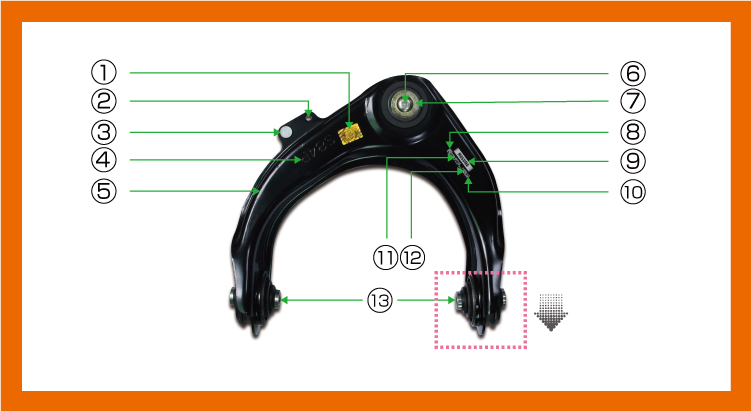
SUSPENSION ARM ( STRUCTURE SCHEMATIC )

① Anti-counterfeit sticker
② ABS cable mounting holes
③ Accessory fxing bolts
④ Stamping skeletonmodel steel stamp
⑤ Cold rolled sheet punching arm
⑥ Cover number
⑦ Ball head cappingsteel seal
⑧ Left and right logos
⑨ Brand identity
⑩ Batch number
⑪ MASUMA coding
⑫ Year of manufacture
⑬ Movable torque bushing assembly
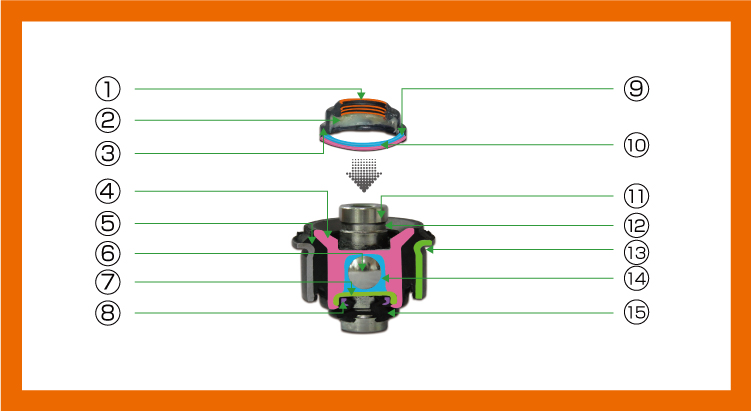
SUSPENSION ARM ( STRUCTURE SCHEMATIC )

① Upper lip opening ( Four layers of sealing )
② Reserve grease ( Japan-specific lubricating grease )
③ Dust cover ( Japanese neoprene )
④ 40Cr quenched spherical shell
⑤ Imported synthetic rubber
⑥ High precision mirror light sphere
⑦ Cold rolled sheet capping
⑧ Lower skeleton ( 65 Mn spring steel )
⑨ Lower skeleton (High quality cold rolled sheet )
⑩ Rubber bonding glue layer
⑪ 40Cr quenched ball pin
⑫ Dust cover clips
⑬ 20Cr outer spherical shell
⑭ Polyformaldehyde ball bowl ( US DuPont material )
⑮ Dust cover ( Japanese neoprene )
II: Ball head series

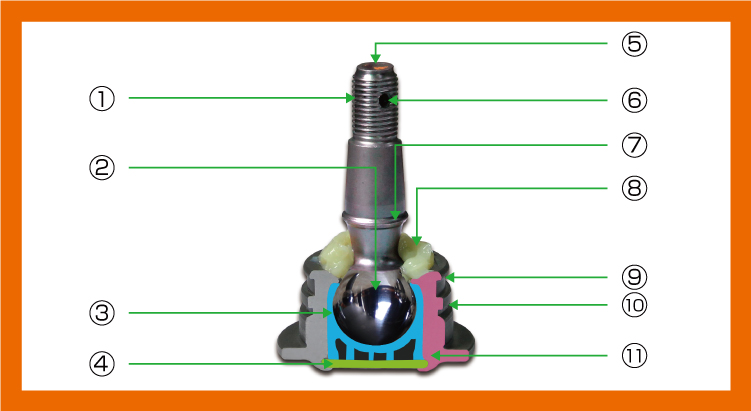
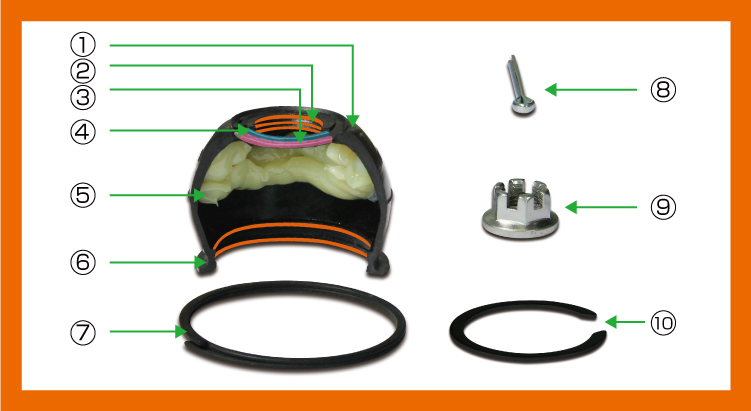
Suspension Ball Joint: The entire series of Masuma ball heads is manufactured with advanced equipment and high-end technology from Japan and Korea, and it has passed the SGS-certified automotive industry quality management system IATF16949, strict performance tests (high and low temperature rotation resistance, mud spray and rubber dust protection test at high and low temperature, etc.) to ensure excellent and stable performance and durability of each product.

SUSPENSION BALL JOINT ( SCHEMATIC DIAGRAM )

① Cold extrusion screw thread
② High precision mirror light sphere
③ Polyformaldhydebowl ball ( Dupont materials )
④ Cold rolled plate cover
⑤ 40Cr cold heading ball pin ( Vacuum conditioning heat treatment )
⑥ The cotter pin hole
⑦ Dust cover limit block
⑧ Special grease for ball joint ( Japanese Special lubricating oil )
⑨ The cotter pin hole
⑩ Circlip groove
⑪ 40Cr adjusting ball pin

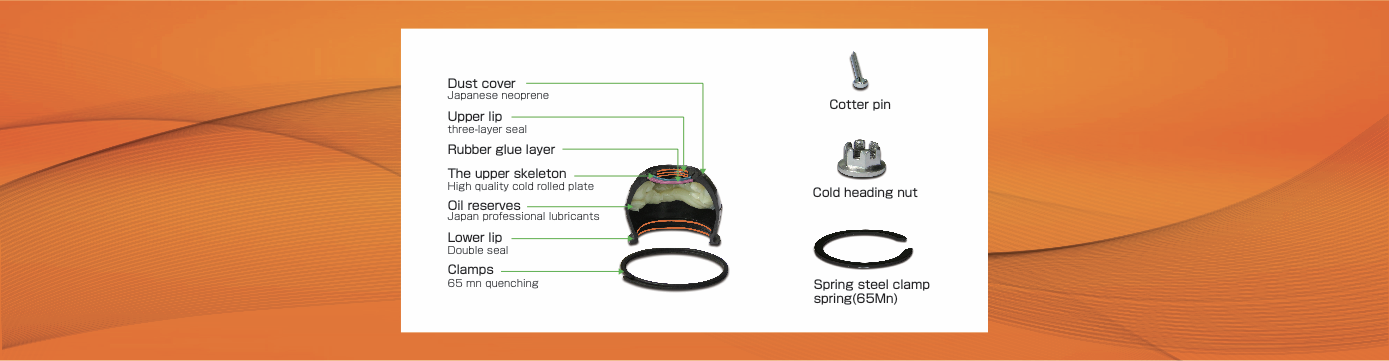
① Dust cover ( Japanese neoprene )
② Upper lip (three-layer seal)
③ Rubber glue layer
④ The upper skeleton ( High quality cold rolled plate )
⑤ Oil reserves ( Japan professional lubricants )
⑥ Lower lip ( Double seal )
⑦ Clamps ( 65 mn quenching )
⑧ Cotter pin
⑨ Cold heading nut
⑩ Spring steel clamp spring ( 65Mn )
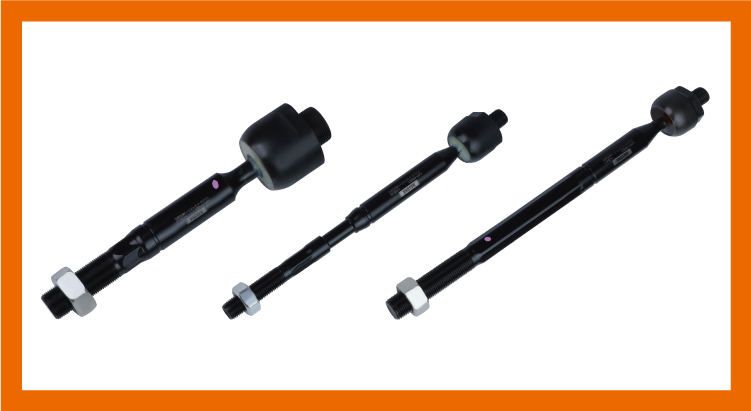
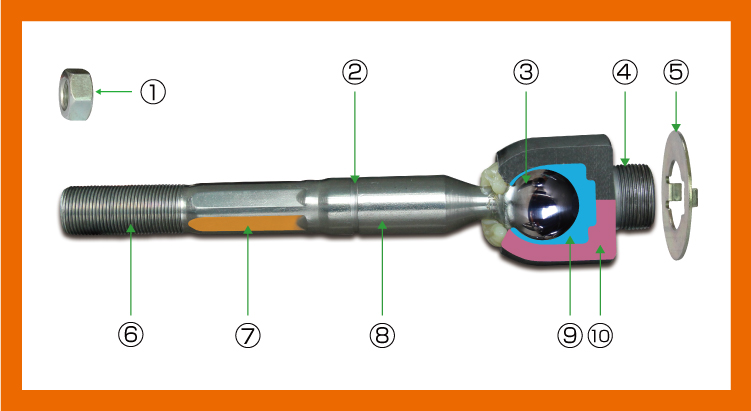
Rack End: The draw-in bar ball head seat material adopts a 20Cr cold extrusion process for one-time forming, the tie rod ball pin adopts a 40Cr cold drawing process for precision processing, the ball cup is made of a Japanese special material, and the ball head lubricant adopts Japanese special grease.

RACK END ( SCHEMATIC DIAGRAM )

① Fastening nut
② Dust cover positioning card slot
③ High precision mirror light sphere
④ Cold extrusion screw thread
⑤ Jaw gasket
⑥ Cold extrusion screw thread
⑦ Disassembly position of wrench
⑧ 40Cr cold drawing club
⑨ Polyformaldehyde ball bowl ( Dupont materials )
⑩ 20Cr cold extruded ball seat
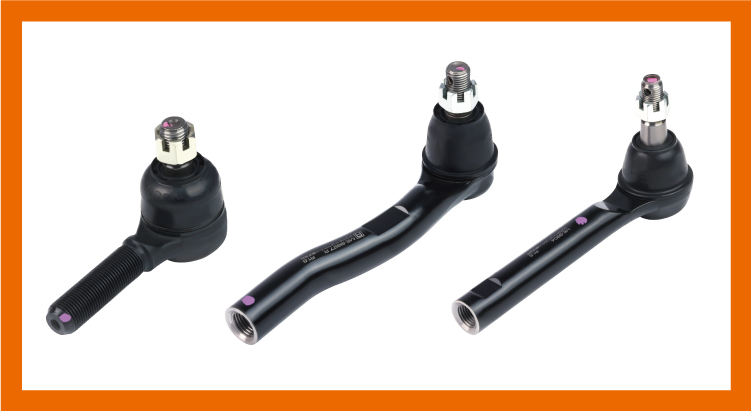
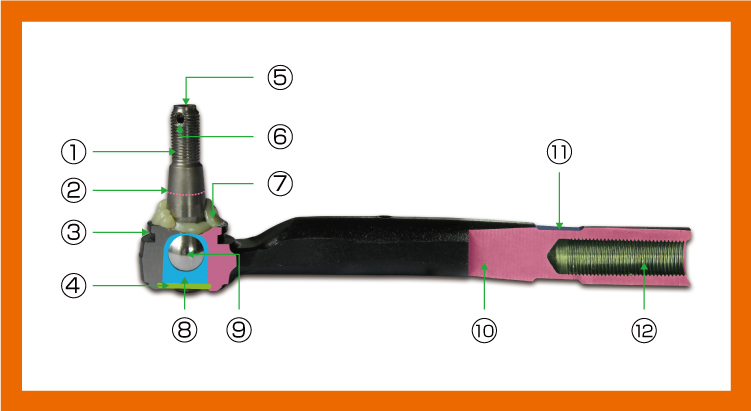
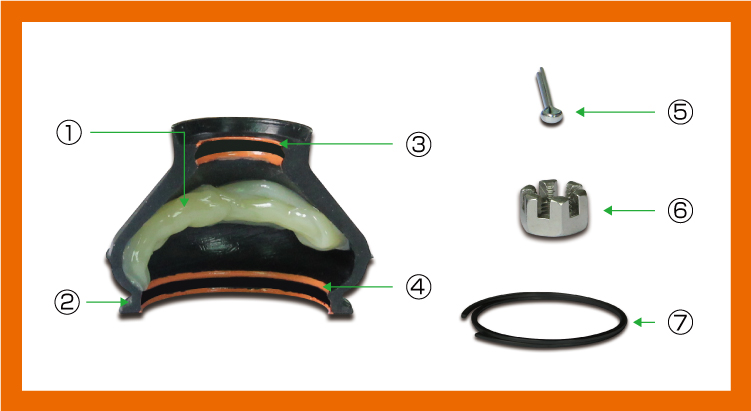
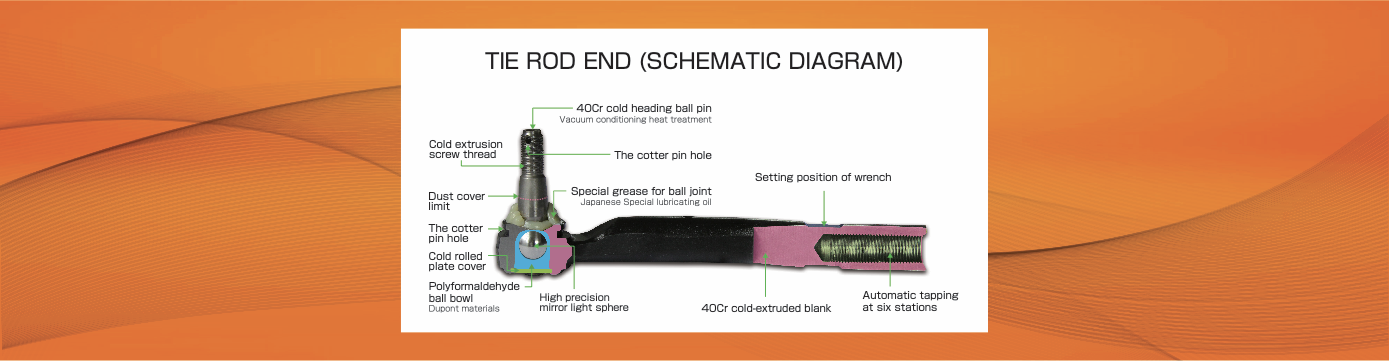
Tie Rod End、Side Rod Assy、Stabilizer Link: Suspension ball head/external rod ball head series products. Ball jacket adopts 40Cr fine forging standardized and hardened, 100% defect detection, and then precision machining. The balance ball head series adopts Japanese high-precision automatic welding equipment; the welding angle is accurate, and the impact strength and tensile force exceed 2000 kg. F. The ball casing material adopts a low-carbon steel cold treatment process, unique forming, surface phosphate blackening, salt spray test for more than 72 hours. The ball stud is made of 40Cr material, the ball jacket is made of a Japanese special material, the ball head lubricant is made of Japanese special grease, the dust cover is made of Japanese Denka neoprene, the low temperature resistance reaches -45 degrees centigrade, and the high temperature resistance reaches 120 degrees centigrade. Outstanding toughness and abrasion resistance.

TIE ROD END ( SCHEMATIC DIAGRAM )

① Cold extrusion screw thread
② Dust cover limit
③ The cotter pin hole
④ Cold rolled plate cover
⑤ 40Cr cold heading ball pin ( Vacuum conditioning heat treatment )
⑥ The cotter pin hole
⑦ Special grease for ball joint ( Japanese Special lubricating oil )
⑧ Polyformaldehyde ball bowl ( Dupont materials )
⑨ High precision mirror light sphere
⑩ 40Cr cold-extruded blank
⑪Setting position of wrench
⑫Automatic tapping at six stations

① Oil reserves ( Japan professional lubricants )
② Dust cover ( Japanese neoprene )
③ Upper lip ( Double seal )
④ Lower lip ( Double seal )
⑤ Cotter pin
⑥ Cold heading nut
⑦ Clamps ( 65 Mn quenching )


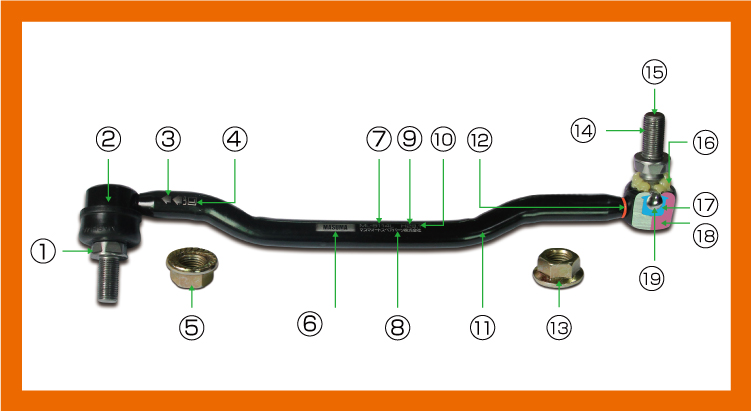
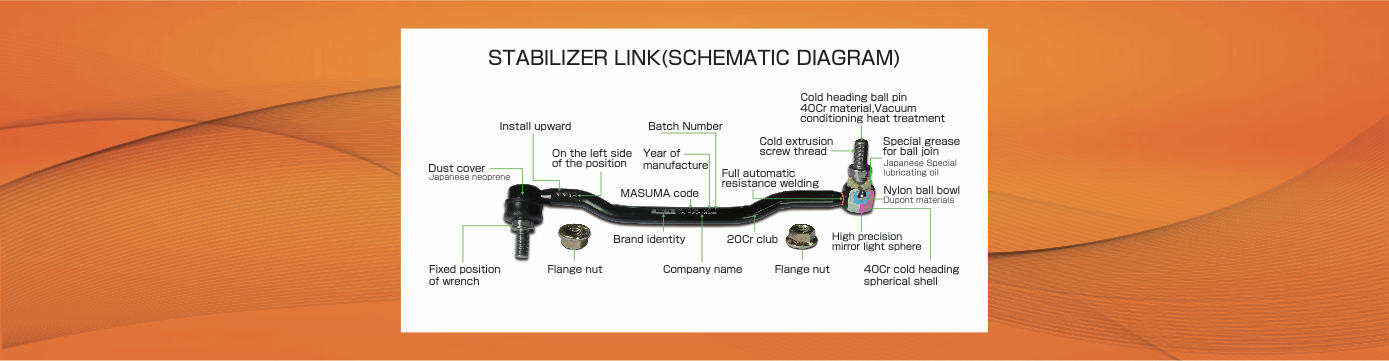
STABILIZER LINK ( SCHEMATIC DIAGRAM )

① Fixed position of wrench
② Dust cover ( Japanese neoprene )
③ Install upward
④ On the left side of the position
⑤ Flange nut
⑥ Brand identity
⑦ MASUMA code
⑧ Company name
⑨ Year of manufacture
⑩ Batch Number
⑪ 20Cr club
⑫ Full automatic resistance welding
⑬ Flange nut
⑭ Cold extrusion screw thread
⑮ Cold heading ball pin ( 40Cr material,Vacuum conditioning heat treatment )
⑯ Special grease for ball join( Japanese Special lubricating oil )
⑰ Nylon ball bowl( Dupont materials )
⑱ 40Cr cold heading spherical shell
⑲ High precision mirror light sphere

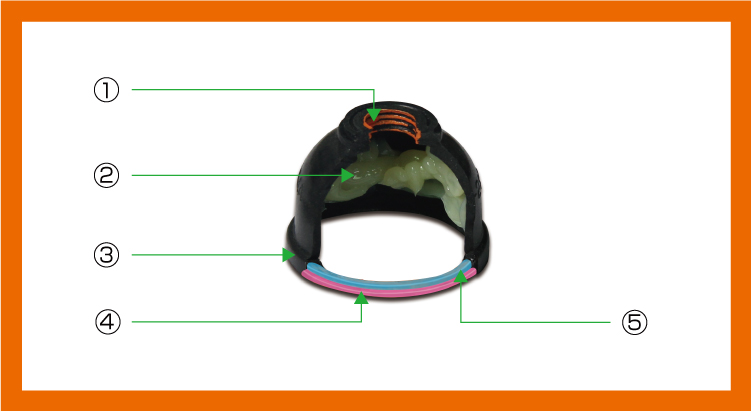
① Upper lip( Four-layer seal )
② Oil reserves( Japan professional lubricants )
③ Dust cover( Japanese neoprene )
④ Rubber glue layer
⑤ The skeleton( High quality cold rolled plate )
III: Rear Support Bar

1、 The products of the rear support beam series are made of special steel plates of international standard automotive steel with one-time stamping and high tensile strength, which enhances the mechanical structure strength of the car body.
2、 The protective welding of tie rod and sleeve shell is done automatically by machine hands, assuring the welding strength and uniformity of products.
3、 The bushings consist of natural rubber from Thailand, by injection and slicing process, which causes the rubber to be denser and the product service life to be longer.

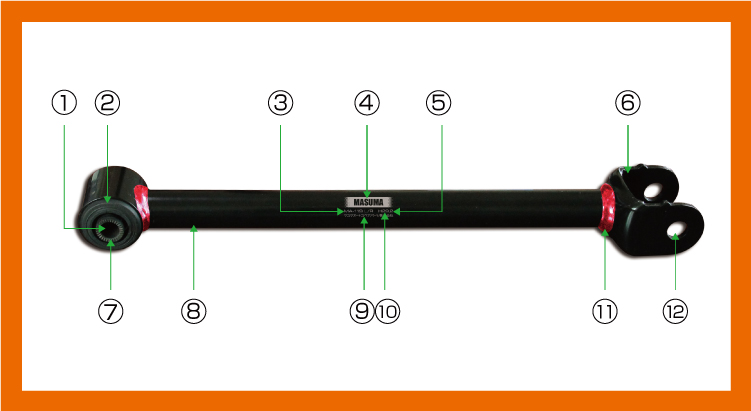
REAR SUPPORT BAR ( STRUCTURE SCHEMATIC )

① Bushing bolt holes
② Shock absorbing bushings ( Imported synthetic rubber )
③ MASUMA coding
④ Brand identity
⑤ Batch number
⑥ U-shaped connecting fork
⑦ Nut tightening anti-slip teeth
⑧ Cold drawn seamless steel tubes
⑨ Company name
⑩ Year of manufacture
⑪ Protective welding ( Automatic obotic welding )
⑫ Bushing bolt holes
IV: Primary and Secondary Steering Follow-up Arm Series

■ The primary steering follow-up arms and secondary steering follow-up arms are commonly known as the pitman arm and idler arm. The pitman arm serves as a fixed center link, while the idler arm is a part of the vehicle steering system that cooperates with the steering unit to make the steering linkage run in parallel, so as to achieve the purpose of the left and right front wheels turn at a predetermined angle.


Maintenance Tips
Signs of damage to the vehicle swing arm are:

1、 Inflexible bend of the vehicle.
2、 Decreased stability of the vehicle.
3、 Poor damping of the vehicle, which reduces driving comfort.
4、 Causing brake runout in severe conditions.
5、 The steering wheel is occasionally light or heavy, and the left and right feel incoherently difficult to control.
6、 The road surface is not flat on the side of the error noise emitted by the noise sound.
Signs of a damaged car head are:

1、 A muffled sound when the car is driving on bumpy roads.
2、 The shaking of the wheels can be felt clearly at low speed.
3、 The car seems unstable, sways from side to side, goes off the road while driving, and may even cause brake failure in severe cases.
Signs of damage to the rear tie rod of a car are:

1 、 Rattling and noise on rough roads.
2、The car is unstable and sways from side to side.
3、Brakes run out, and steering errors occur.
■ Damage to the swing arm, ball head, and rear tie rod will cause steering errors, tire seizure, and steering wheel wobble; in severe cases, the ball head may also fall off and cause the wheel to rise horizontally immediately. It is recommended to replace the swing arm in time to reduce safety risks.