





 English

New Arrivals















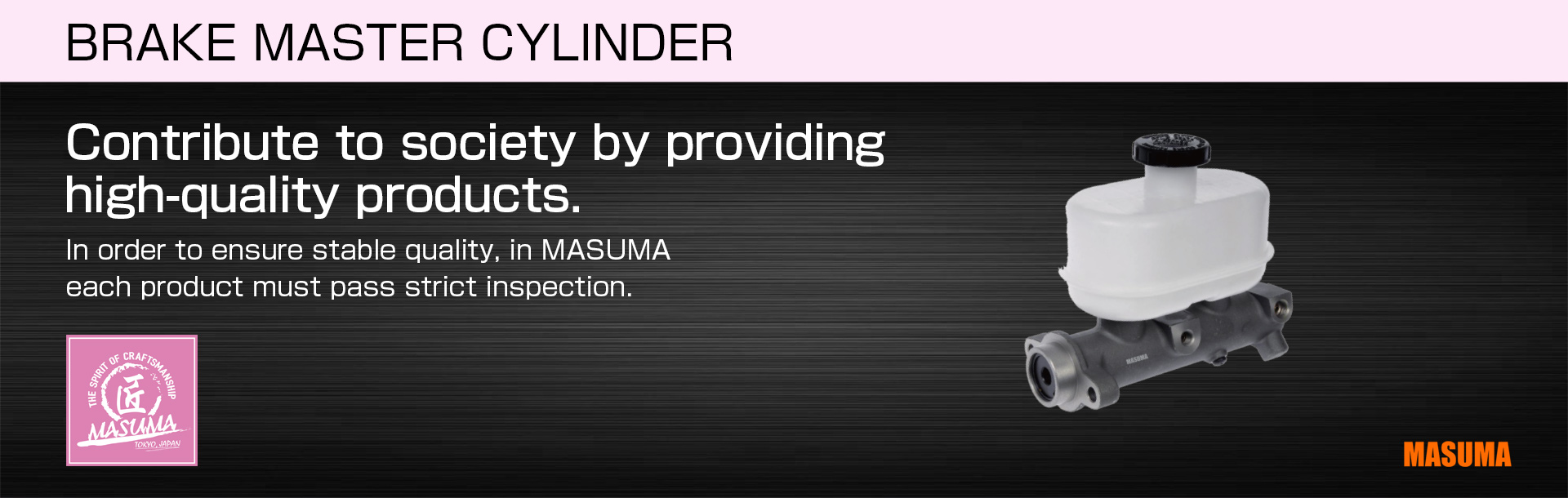
 BRAKE MASTER CYLINDER
■ The brake master cylinder, also known as the "master brake cylinder" and “master cylinder”, is the primary control device in a vehicle's braking system. It ensures responsive follow-up control during both the application and release of a dual-circuit primary braking system.
■ When the driver depresses the pedal, the pull rod stretches to press one end of the pull arm against the balance spring, moving the balance arm downward. This first closes the exhaust valve and then opens the intake valve. Compressed air from the air reservoir flows through the intake valve into the brake chamber, pushing the chamber diaphragm to rotate the brake cam and actuate the wheel brakes, thereby achieving the braking effect.

Classification
■ Brake master cylinders are generally categorized into two main types: Pneumatic(Air) master brake cylinders and hydraulic master brake cylinders. During the braking process, when the brake pedal is depressed, the piston rod inside the master brake cylinder pushes the brake shoes to expand outward, generating friction between the brake pads and the inner surface of the brake drum to achieve braking effect. For hydraulic master brake cylinders, the brake fluid flows back to the reservoir tank; whereas for air brake master cylinders, the air is discharged.
■ Hydraulic Brake Master Cylinder
Composition: The main mating parts of a hydraulic brake master cylinder include a reservoir for storing brake fluid on top and a cylinder below, which houses a piston inside.
Working Principle: When the driver depresses the brake pedal, the applied force drives the piston inside the master cylinder to push the brake fluid forward and generate pressure in the hydraulic lines. This pressure is transmitted through the brake fluid to the piston of the brake wheel cylinder at each wheel. The wheel cylinder piston then pushes the brake shoe outward, making the brake lining frictionally engage the inner surface of the brake drum. This generates sufficient friction to reduce the wheels' rotational speed, thereby achieving the braking effect.
■ Pneumatic (Air) Brake Master Cylinder
Composition: A pneumatic brake master cylinder primarily consists of an upper chamber piston, lower chamber piston, push rod, roller, balance spring, return springs (for upper and lower chambers), upper chamber valve, lower chamber valve, air inlet port, outlet port, exhaust port, and vent hole.
Working Principle: When the driver depresses the brake pedal, the pull rod stretches to press one end of the pull arm against the balance spring, moving the balance arm downward. This first closes the exhaust valve and then opens the intake valve. Compressed air from the air reservoir then flows through the intake valve into the brake chamber, pushing the brake chamber diaphragm to rotate the brake cam and actuate the wheel brakes, thereby achieving the braking effect.



The primary advantages of the brake master cylinder lie in enhancing on-road safety, optimizing braking performance, and improving fuel economy.
■ Firstly, by compressing the brake fluid and transmitting hydraulic energy to other components of the braking system, it enables safe vehicle stopping and deceleration. This design allows the master cylinder to effectively convert the driver's intent into braking action, ensuring safety during operation.
■ Secondly, the performance of the master cylinder directly impacts the effectiveness and safety of the entire braking system. Utilizing more advanced materials and manufacturing processes results in higher reliability, durability, and a more compact, lightweight design. This contributes to improved braking performance and fuel efficiency.
■ Finally, vehicles employing dual-circuit hydraulic braking systems are almost invariably equipped with servo or power brake systems. This design enhances safety by supplying hydraulic pressure to two independent circuits on separate brake lines. Even in the event of brake fluid loss, by using vacuum pressure to actuate the brakes and supplying equal pressure to each circuit on the independent lines, it prevents lock-up on one side, further enhancing the vehicle's safety performance.

■ The structure of a brake master cylinder typically includes the cylinder body, piston, piston return spring, compound valve (fluid control valve), brake cup (primary seal), and piston seal (secondary seal). The cylinder body is divided into a reservoir chamber and a working cylinder chamber. The piston is installed from the rear of the cylinder body, dividing it into front and rear chambers. The small hole connecting the front working chamber to the reservoir is the return port. The large hole connecting the rear working chamber (between the secondary seal and the front of the piston head) to the reservoir is the intake port (compensating port).

Malfunction Symptoms
■ Brake pedal to one side during braking
■ Sudden brake pedal failure (loss of braking)
■ Soft/spongy brake pedal feel
■ Slow or no return of the brake pedal after release

■ Regularly check the brake fluid level, ensuring it is maintained at the correct level within the reservoir. Use the manufacturer-recommended type of brake fluid and ensure it is clear and free of contaminants.
■ Periodically inspect the braking system for signs of fluid leakage, especially around brake lines, connections, and the master cylinder.
■ Check the master cylinder for leaks. Ensure its seals are intact with no signs of fluid leakage. If leaks or worn seals are found, replace them promptly.
■ Change the brake fluid regularly. Brake fluid absorbs moisture over time, which can degrade braking system performance. Therefore, periodic replacement is necessary, typically every two years.
■ Keep the area around the brake master cylinder clean.