





 English

New Arrivals













 POWER STEERING PUMP
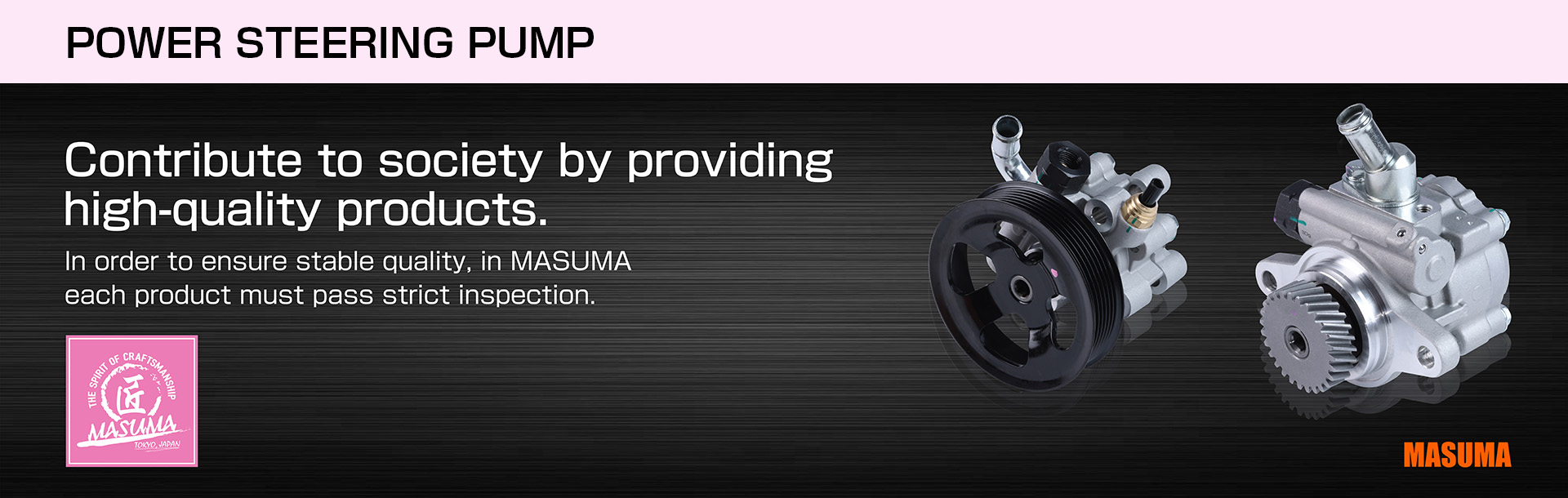
■ A power steering pump is a device used to assist with vehicle steering. It generates assistive force, making it easier and less strenuous for the driver to turn the steering wheel, thus reducing the effort required. It is key to improving a vehicle's steering agility and comfort. The power steering pump also plays a role in enhancing vehicle safety and economy.
■ Power steering pumps are primarily divided into two main categories: hydraulic power steering pumps and electric power steering pumps. Hydraulic power steering pumps rely on power steering fluid to provide assistance, while electric power steering pumps rely on an electric motor. The working principle of a hydraulic power steering pump involves the engine driving a hydraulic pump to convert mechanical energy into hydraulic energy. This hydraulic energy is then converted back into mechanical energy through the hydraulic system to provide steering assistance to the driver. Electric power steering pumps provide assistance directly via an electric motor.


■ The MASUMA Power Steering Pump is mainly composed of a hydraulic pump, fluid sensor, flow control valve, and hydraulic motor. Its working principle utilizes the vehicle's engine to drive the hydraulic pump, which continuously delivers fluid pressure into the steering system. The fluid sensor detects the steering assist force, then the flow control valve adjusts the fluid supply based on this force. Finally, the hydraulic motor converts the fluid pressure into mechanical energy, helping the driver steer effortlessly.


■ Provides Variable Assist: Automatically adjusts the level of assistance based on the driver's steering input and vehicle speed, making operation feel easier.
■ Good Handling Stability: Offers better road feel feedback, helping the driver better control the vehicle's direction.
■ Simple Structure: Compared to other types of power steering systems, the hydraulic power steering pump has a relatively simple structure and is easy to maintain.
■ Lower Cost: The operating cost is lower compared to electric and electro-hydraulic power steering systems.
■ High Reliability: The design and components of hydraulic systems have been validated over a long market history, offering high reliability and durability.
■ Rapid Response: The hydraulic system provides immediate assist response, improving control precision and sensitivity.



Symptom Manifestations:
■ Heavy Steering: This is the most common symptom of power steering pump failure. When the pump malfunctions, it cannot provide sufficient force to assist the driver with steering.
■ Abnormal Noises: If the power steering pump fails, it may produce abnormal noises such as whining, hissing, or knocking sounds.
■ Imprecise Steering: Problems with the pump can cause the steering system to malfunction, affecting steering precision.
■ Dashboard Warning Light Illuminates: Some vehicles are equipped with a power steering system fault indicator light. If this light comes on, it may indicate a problem with the power steering pump.
■ Sudden Loss of Power Steering: In some cases, the power steering pump may fail suddenly, rendering the driver unable to steer.

■ The use and maintenance of the power steering pump are particularly important. Therefore, the following points must be observed:
1. Correct Hydraulic Fluid Selection: Using the correct hydraulic fluid is key to ensuring the pump's high efficiency and long service life.
2. Regular Fluid Level Checks: Check the fluid level in the reservoir regularly and top up with clean hydraulic fluid promptly if low. The filter inside the reservoir should be cleaned with alcohol during maintenance.
3. Prompt Inspection of Issues: If leakage, shock, or abnormal noise is detected from the power steering pump during use, inspect and rectify the issue promptly.
4. Timely Fluid and Filter Replacement: Replace the hydraulic fluid and filter after the vehicle has been in operation for a period. Especially for a new pump, the hydraulic fluid should be replaced after the first 2,500 – 3,000 kilometers of use.