





 English

New Arrivals











 WHEEL HUB BEARING
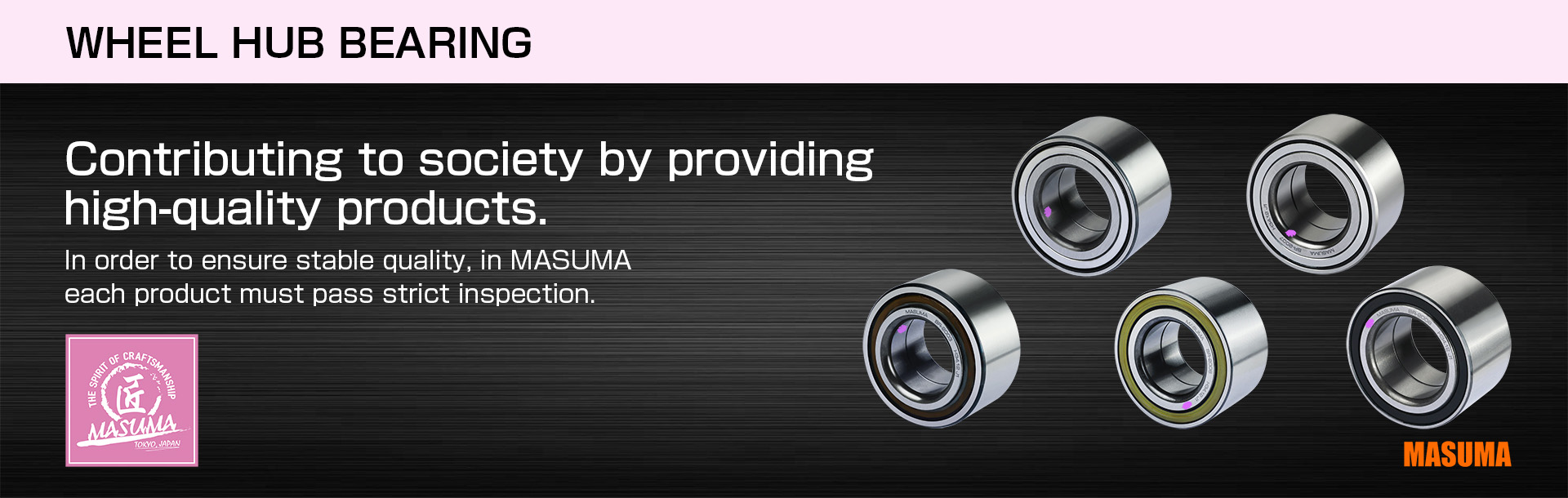
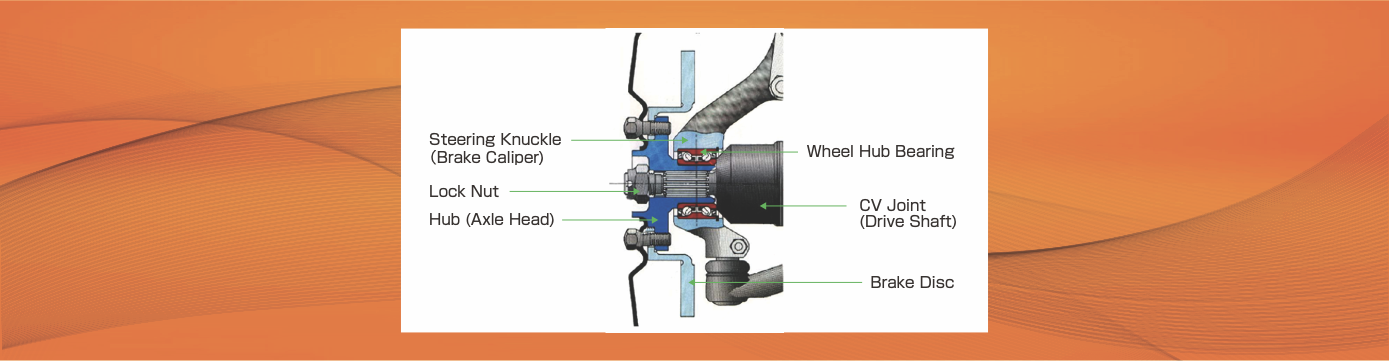
■ The primary function of the wheel hub bearing is to support the wheel's rotation. During installation, the bearing must be adjusted to ensure an optimal internal clearance. Manufactured from high-quality steel, wheel hub bearings offer excellent strength and durability, making them capable of withstanding substantial loads and vibrations. Furthermore, their low friction coefficient helps reduce energy loss and improve vehicle fuel economy. Its sealed structure effectively prevents the ingress of dust, moisture, and other contaminants, thereby extending the bearing's service life.
■ The main role of the wheel hub bearing is to provide precise guidance for the rotation of the hub, bearing both axial and radial loads. It is a crucial component for vehicle load-bearing and rotation.
■ MASUMA bearings are manufactured using premium materials and advanced production processes. Through continuous testing and design optimization, we strive to meet customer requirements more effectively.
Classification of Wheel Hub Bearings
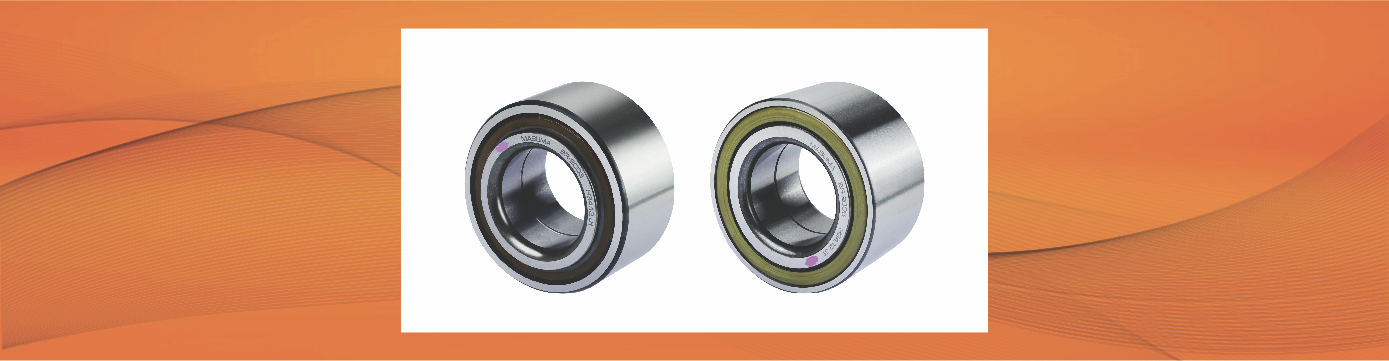
■ Automotive wheel hub bearings are specialized bearings applied to vehicle wheels. They bear the vehicle's entire weight, as well as acceleration forces, deceleration forces, cornering lateral forces, vibrations, and impact forces caused by road conditions. To ensure safety and reliability during braking, Anti-lock Braking Systems (ABS) are becoming increasingly common, leading to a growing market demand for integrated wheel hub bearing units. Automotive wheel hub bearings can be categorized by their generation into first-generation, second-generation, and third-generation wheel hub bearings.
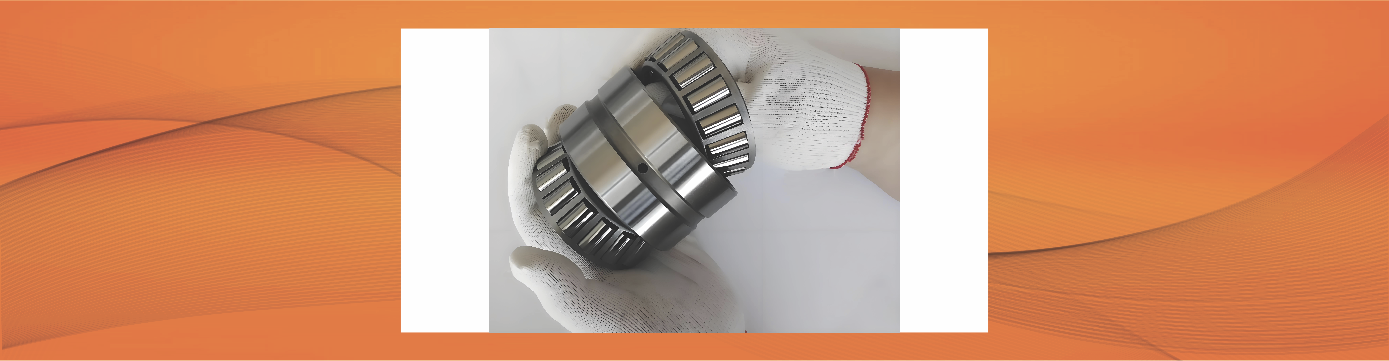
■ First-generation wheel hub bearings, compared to traditional two-piece single-row bearing sets, integrate two bearings into a single unit. They offer simple and reliable preload application, easy installation, and eliminate the need for shims and mid-life grease replenishment. Their compact design incorporates high-performance seals, saving installation space and time.
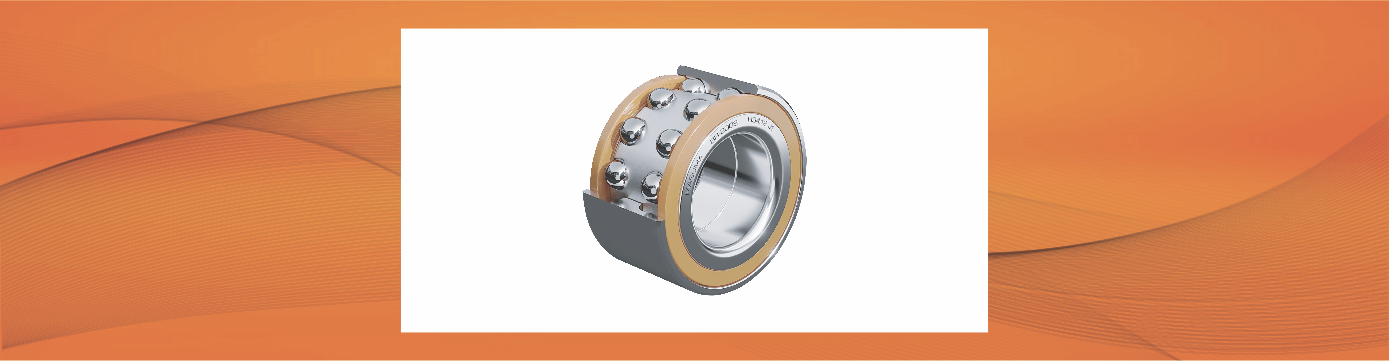
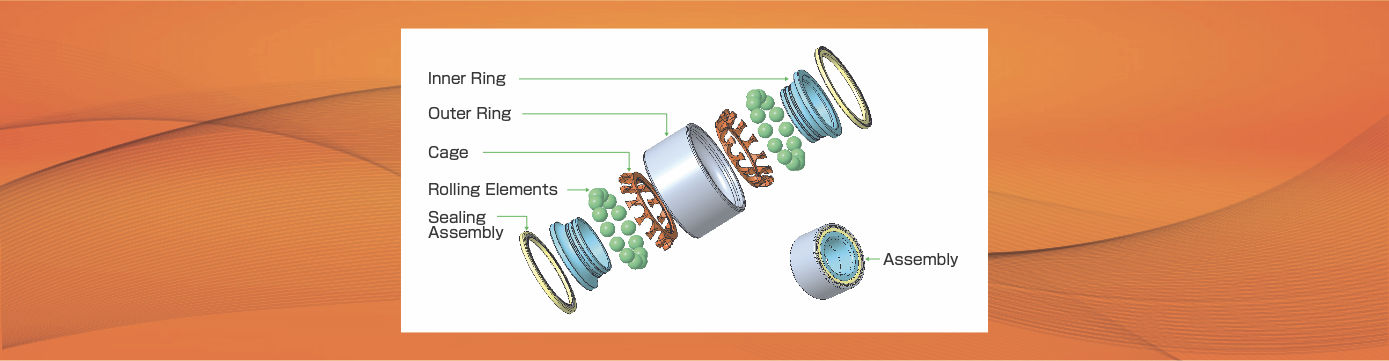
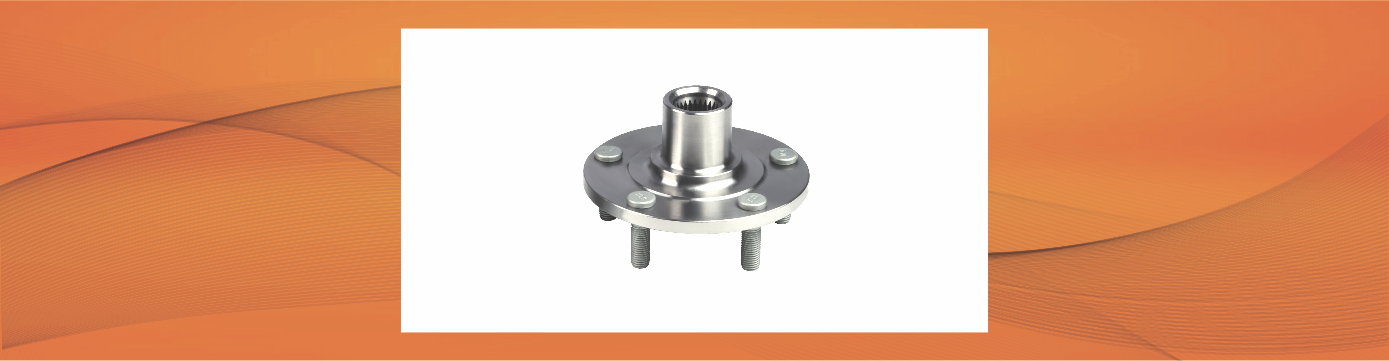
■ Second-generation wheel hub bearings offer key advancements over the first generation. They eliminate the need to be pressed into the steering knuckle, thus allowing for easier installation along with simpler and more reliable preload application. Where designed for an outer ring rotation, they can also accommodate sensor rotors. Furthermore, they are lighter and more integrated.
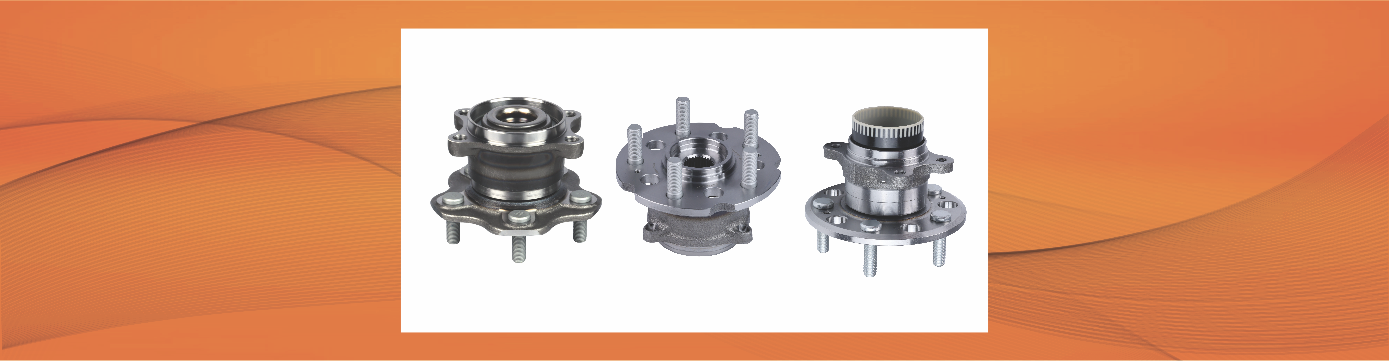
■ Third-generation wheel hub bearings (hub units) build upon the second generation. They arrive from the factory pre-configured with optimal preload, enabling the simplest installation yet. These units provide high rigidity, simplify the installation of ABS sensors, and are lighter with a higher degree of integration.

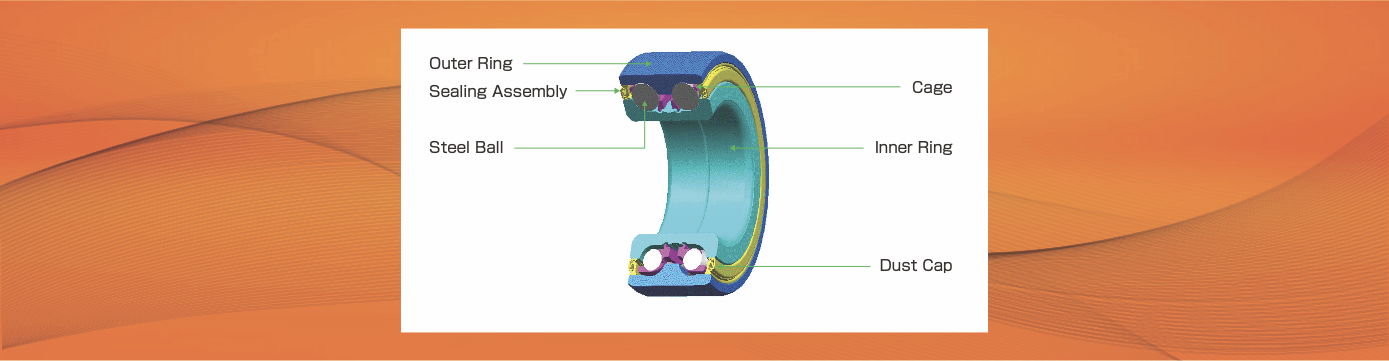
■ Inner and Outer Rings: The raw materials surpass the specifications of Chinese National Standard GB/T18254 in key metrics, including chemical composition, non-metallic inclusions, and carbide homogeneity. This commitment to superior material quality guarantees extended bearing longevity from the very source.
■ Inner & Outer Ring Blanks: Inner and outer rings are forged using electric heating. Bearings produced via forging technology have a longer service life compared to those using tube material processes.
■ Inner & Outer Ring Machining: Both rings are processed on automated grinding and superfinishing lines. The outer ring's two raceways are ground simultaneously, while the inner ring's bore, raceway, and side faces are processed concurrently. This guarantees superior dimensional consistency.
■ Cage: Manufactured from Germany's "BASF" reinforced nylon, offering excellent impact toughness and aging resistance.
■ Steel Balls: The balls undergo surface hardening, featuring a G10 grade and a surface roughness of <0.02µm, which contributes to extended bearing life.
■ Grease: Premium greases from brands such as Shell, Kyodo Yushi, and Chevron are used, offering superior lubricity and water resistance to ensure long-term performance and prevent premature oxidation failure.
■ Sealing Structure: Employing an effective combined 2RZ design for water and dust protection, the seals use high-quality rubber (Japan's NJ230), further optimized for specific product characteristics to enhance waterproof performance.
Failure Analysis
■ Failure Description: Excessive Play and Abnormal Noise
Root Cause Analysis: The tightening torque of the nut did not meet the OEM's specified requirements.
Failure Manifestation: Scuffing wear on the dust cap; wear on the inner ring face; circumferential striations or a mirror-like finish on the inner ring outer surface; spalling at the bottom of the inner ring raceway; after acid pickling, circular band scratches appear on the steel balls; signs of polishing/rubbing damage on the bottom of the inner ring raceway.
Corrective Actions:
1. Use qualified nuts.
2. Check the flatness of the nut's end face.
3. Ensure tightening torque complies with OEM requirements.
4. General tightening torque values for lock nuts: M18 nut: 190-220 Nm; M20 nut: 210-240 Nm; M22 nut: 210-240 Nm; M24 nut: 250-300 Nm.
■ Failure Description: Abnormal Noise
Root Cause Analysis 1: Steering knuckle inner bore diameter is out of specified tolerance.
Failure Manifestation: Uneven contact on the outer ring outer surface, localized rust.
Corrective Action: Inspect the inner bore of steering knuckle ; replace the steering knuckle if necessary.
Root Cause Analysis 2: Hub (Axle Head) out of tolerance.
Failure Manifestation: Uneven contact on the outer cylindrical surface of the inner ring, with signs of scoring.
Corrective Action: Inspect the axle head outer diameter; replace the axle head if necessary.
Root Cause Analysis 3: Improper Installation.
Failure Manifestation: Incorrect force application on inner/outer rings and pressure transmission through balls, damaging the raceway surface.
Corrective Action: Follow the correct operating procedure and use qualified pressing tools to install the bearing.
■ Failure Description: Outer Ring Pressed Crooked
Root Cause Analysis: The bearing was not aligned properly and was installed at an angle.
Failure Manifestation: Press marks on the outer ring outer surface are uneven in height.
Corrective Action: During pressing, align the bearing as much as possible using dedicated pressing tools.
Installation Precautions
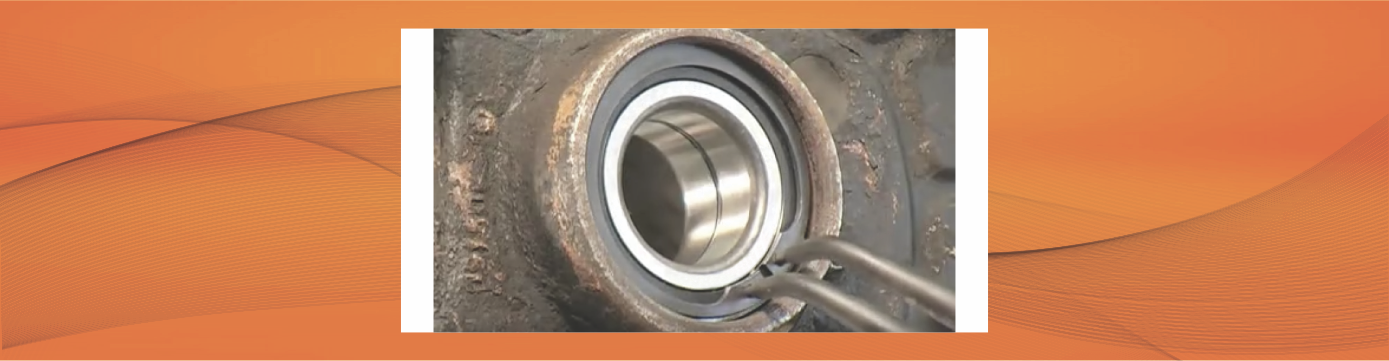
■ When installing a new wheel hub bearing, if dedicated tools are unavailable, a recently removed used bearing can be utilized. Note: When pressing the bearing into the steering knuckle, force must not be applied to the bearing's inner ring, as this will damage the bearing. Conversely, when pressing the hub into the bearing, ensure force is evenly applied to the bearing's inner ring.
■ Before installing a new bearing, clean the bearing housing bore on the steering knuckle. Prior to installation, a hammer can be used to gently tap the bearing partway into the housing to aid positioning.
■ During operation of the press, technicians should constantly monitor the bearing's condition to avoid tilting. Also, be mindful of the reaction force from the press ram on the hands. If increased resistance or other abnormalities are detected, stop operation promptly.
■ The lock nut on the drive shaft end has a high tightening torque (up to 265 Nm), making it strenuous to remove or install. Another technician can depress the brake pedal to provide counter-torque, or this nut can be removed/installed before lifting the vehicle, using the friction between the tire and ground for counter-torque.
■ Before removing the shock absorber, mark its position to avoid affecting the wheel camber angle. If its position changes, a four-wheel alignment should be performed at the end to correct the wheel alignment parameters.
■ During reassembly of components, use a torque wrench to tighten all bolts and nuts to their specified torque values.