





 English

New Arrivals















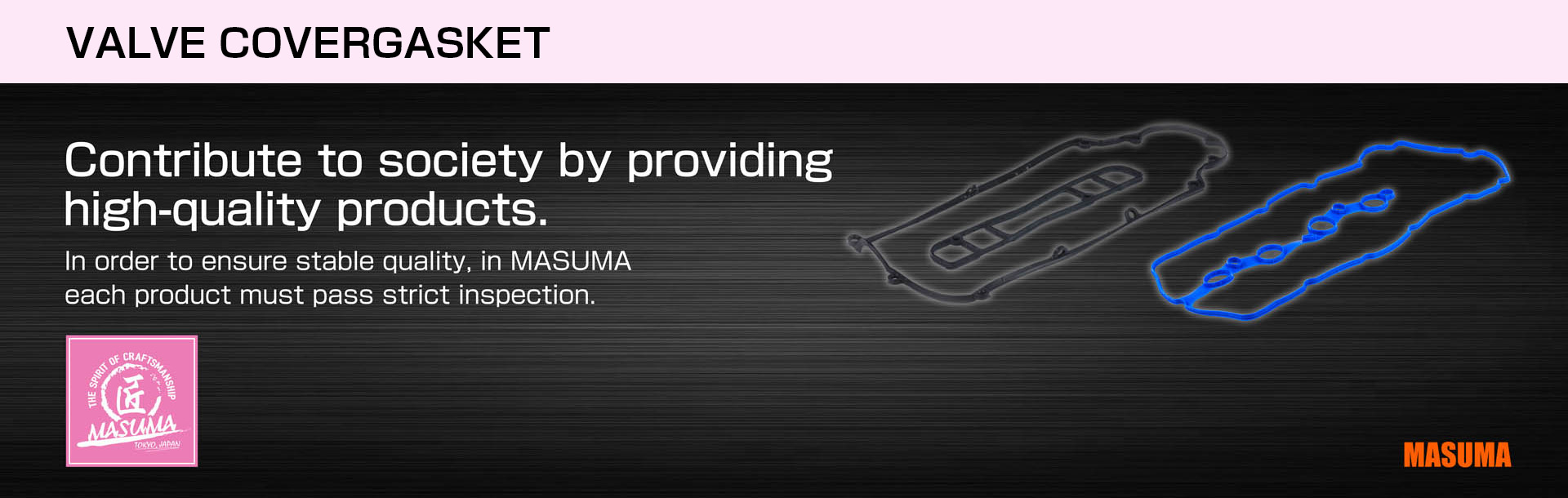
 VALVE COVER GASKET
■ The valve cover gasket is a rubber seal located between the engine valve cover and cylinder head. It serves as a sealant to prevent oil leakage. Below the gasket are the engine camshaft and valve train, which constantly work in a high-temperature, high-pressure environment with mild corrosion. Inevitably, due to long-term operation, it may age, leading to poor air tightness and oil leakage.
■ Oil seepage of valve cover gasket can lead to poor air tightness of the engine, affecting normal engine operation. In severe cases, it can cause engine failure. The solution for oil seepage of valve cover gasket is to replace the gasket.
■ Since the valve cover gasket is typically made of rubber, it inevitably hardens and ages over time, resulting in oil leakage. Additionally, uneven screw pressure, excessive screw pressure, deformation of the valve cover gasket, blockage of the crankcase’s forced ventilation valve, and poor quality of sealing ring sealant will all cause oil seepage at the valve cover gasket.

■ Valve covers are made of aluminum, iron, plastic, and bakelite. Among these, bakelite valve cover is most prone to oil leakage, followed by plastic valve cover. Due to thermal expansion and contraction and rubber aging, oil leakage may occur. Compared to aluminum valve covers, plastic ones are more likely to leak oil. Aluminum valve covers are less likely to leak because the engine cylinder head is also made of aluminum, resulting in the same expansion coefficient.
■ Blockage of the crankcase forced ventilation valve can cause increased crankcase pressure, leading to pressure release from the valve cover gasket or other weak points, resulting in oil leakage.

■ Common materials for valve cover gaskets include silicone, nitrile rubber, and ACM (acrylic rubber). These materials effectively prevent oil seepage and impurity ingress, enhancing engine performance. Some vehicle models may require different quantities and materials due to special engine layouts, necessitating model-specific purchases.


■ Quality assurance: Superior materials and advanced production and inspection equipment ensure product quality, preventing oil seepage, air leakage, and ensuring stability and durability.
■ High cost-effectiveness: Exquisite craftsmanship ensures sealing without oil leakage, effectively solving original vehicle oil leakage problems.
■ In addition to meeting the lightweight requirements for reducing self-weight, it also has advantages in vibration reduction, noise reduction, low cost, and the ability to meet complex structural design requirements.
■ It has better sound insulation and damping performance. Through one-time compression molding, it can increase the design freedom of product structures, improve production efficiency, and increase the yield rate.


Maintenance Tips
■ Before installing the valve cover gasket, carefully clean and inspect the mounting surfaces of the valve cover and gasket to ensure there are no impurities, dust, or oil stains. If the mounting surface is uneven or damaged, repair or replace it promptly to ensure the valve cover gasket can fully contact and effectively seal.
■ When installing the valve cover gasket, use appropriate tools and methods. Usually, a wrench or torque wrench is needed to tighten the valve cover bolts. Over-tightening or under-tightening can lead to valve cover gasket failure. Therefore, determine the correct torque value according to the manufacturer's recommendations and specifications, and tighten accordingly.
■ Additionally, regular inspection and replacement of the valve cover gasket is very important. After prolonged use, the valve cover gasket may age, deform, or wear, leading to decreased sealing performance. Therefore, it is recommended to inspect the valve cover gasket at certain mileage intervals or time periods, and replace it promptly if any issues are found.

Valve cover gasket replacement steps:
1、 First, remove the valve cover screws diagonally from both sides to the center. Use a flat-head screwdriver to pry loose the valve cover and remove the valve cover gasket.
2、 Clean the contact surfaces of the valve cover and cylinder head with cleaning agent.

3、 Align the positioning pins and install the new valve cover gasket. Apply sealant, place the valve cover back, and tighten the screws evenly from the center to both sides in a diagonal pattern.