





 English

New Arrivals
















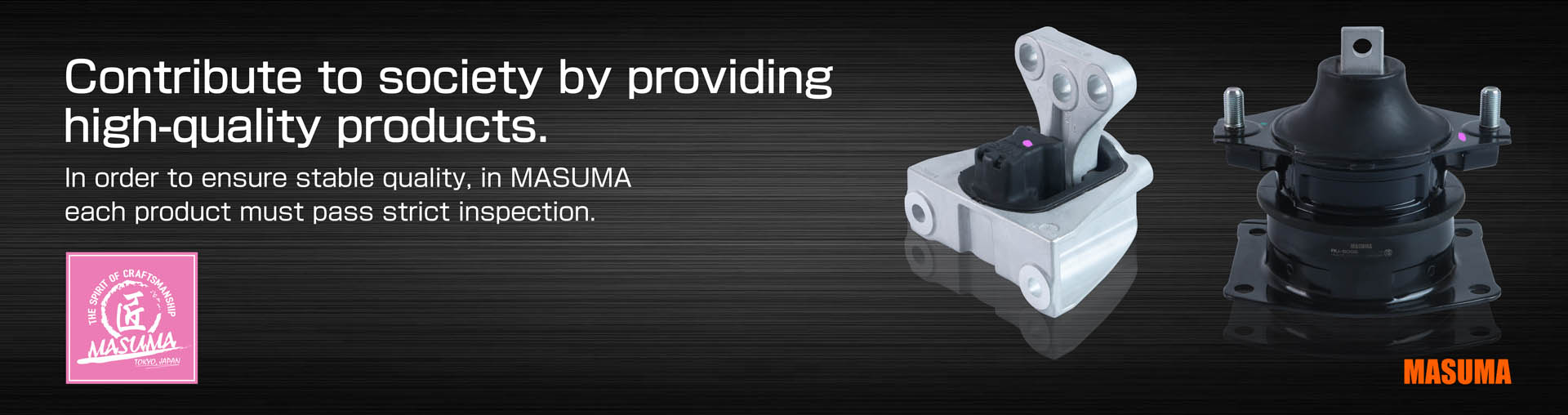
 ENGINE MOUNTING
■ The engine mounting is a type of rubber product, also known as engine support rubber or vibration isolator rubber, which is primarily installed beneath the automobile engine. Its main function is to cushion and isolate the vibrations generated by the engine during operation, thereby reducing the impact of these vibrations on the vehicle body and other components and enhancing the driving stability and comfort of the car.
■ Engine mountings can be classified into two main types: Rubber and hydraulic.
■ Rubber engine mountings typically use rubber as the damping material, featuring a simple structure and wide applicability. This design allows rubber engine mountings to perform well under normal usage conditions, meeting the needs of most daily driving situations.
■ Hydraulic engine mountings, on the other hand, are filled with hydraulic oil. Compared with common rubber engine mountings, hydraulic engine mountings provide better vibration damping, thereby improving passenger comfort. The damping performance of hydraulic engine mountings exceeds that of rubber engine mountings, making them suitable for vehicles with a higher demand for driving comfort.
■ These two types of engine mountings each have unique characteristics, suitable for different usage scenarios and requirements. Selection of engine mounting depends on the manufacturer's specifications for the vehicle.


■ The design of engine mountings takes into account various factors, including the selection of materials and structural optimization, to ensure effective absorption and reduction of engine vibrations while maintaining sufficient strength and durability. This design not only enhances the stability of the vehicle's ride but also extends the lifespan of the engine and related components.


principle
■ The working principle of engine mountings primarily involves the absorption and reduction of vibrations generated by the engine during operation using its rubber components or hydraulic fluid, thus maintaining the stability of the cabin and improving the driving experience.
■ Its main functions include:
1. Elimination of resonance: The rubber components of the engine mounting can eliminate the resonance generated by engine operation, reducing engine vibrations transmitted to the cabin and maintaining cabin stability.
2. Reduction of vibration transmission: When the engine vibrates, the engine mounting reduces vibration transmission to the vehicle body, thus protecting the structural integrity of the body and enhancing driving safety.
3. Hydraulic oil pressure relief function: Some engine mountings also feature a hydraulic oil pressure relief function, further mitigating the impact of engine vibrations. If the engine mounting is damaged, the vibrations generated by the engine can cause the entire vehicle body to vibrate, adversely affecting driving safety.
4. During the automotive manufacturing process, engineers effectively reduce the transmission of vibrations generated by the engine to the cabin by securing rubber buffers between the engine mountings and the chassis, resulting in smoother and more stable engine operation, which enhances the driving experience. Typically, there are three engine mountings fixed to the vehicle frame; if one is damaged, it may disrupt the balance and lead to accelerated damage to the other engine mountings.
Symptom manifestations
■ Increased engine vibrations: When the engine mounting is damaged, the engine vibrations become significantly magnified, leading to noticeable vibrations felt in the cabin that compromise driving comfort.
■ Increased noise: Due to heightened engine vibrations, greater noise is produced during vehicle operation, especially noticeable at idle or low speeds.
■ Increased fuel consumption: The increased engine vibrations may affect fuel injection and ignition timing, leading to higher fuel consumption.
■ Reduced power: If the engine mounting is severely damaged, it may cause an unstable connection between the engine and the vehicle body, impacting the engine's normal operation and reducing vehicle performance.
■ Abnormal noises: During operation, abnormal sounds such as knocking or grinding may occur, which could be caused by engine mounting damage.


■ Check the condition of engine mounting: Regularly inspect the engine mounting at the connection points between the engine, transmission, and vehicle body for signs of aging or cracking. This may require opening the hood and possibly using a lift to access the engine mounting status located beneath the vehicle.
■ Feeling engine vibration: When reversing or starting up, as well as when the engine is cold, check for any vibrations in the engine. If the condition improves after the engine warms up, this may indicate aging of the engine mounting.
■ Monitoring steering wheel and brake pedal vibration: While the engine is idling, if you notice vibrations in the steering wheel and brake pedal, this may be a sign of engine mounting failure.
■ Listening to unusual engine noises: Pay attention to the engine sound when the vehicle passes over speed bumps. If you hear a "thud" noise, this could be a signal of damaged engine mounting.
■ By using the above methods, vehicle owners can timely detect issues with the engine mounting and proceed with replacement, ensuring both the safety of the vehicle and the comfort of driving.
■ With the use of the vehicle, the engine mounting will gradually age and wear, resulting in decreased performance. When the engine mounting deteriorates, the vehicle will exhibit noticeable shaking during operation, which affects the comfort and stability of the ride. Therefore, regularly replacing the engine mounting is an important step to ensure the normal operation of the vehicle.
■ The recommended replacement interval for the engine mounting is generally every 100,000 kilometers; however, the specific replacement cycle should be determined based on the vehicle's usage conditions. If noticeable shaking or vibration occurs during driving, it is advisable to promptly check the condition of the engine mounting for timely replacement.